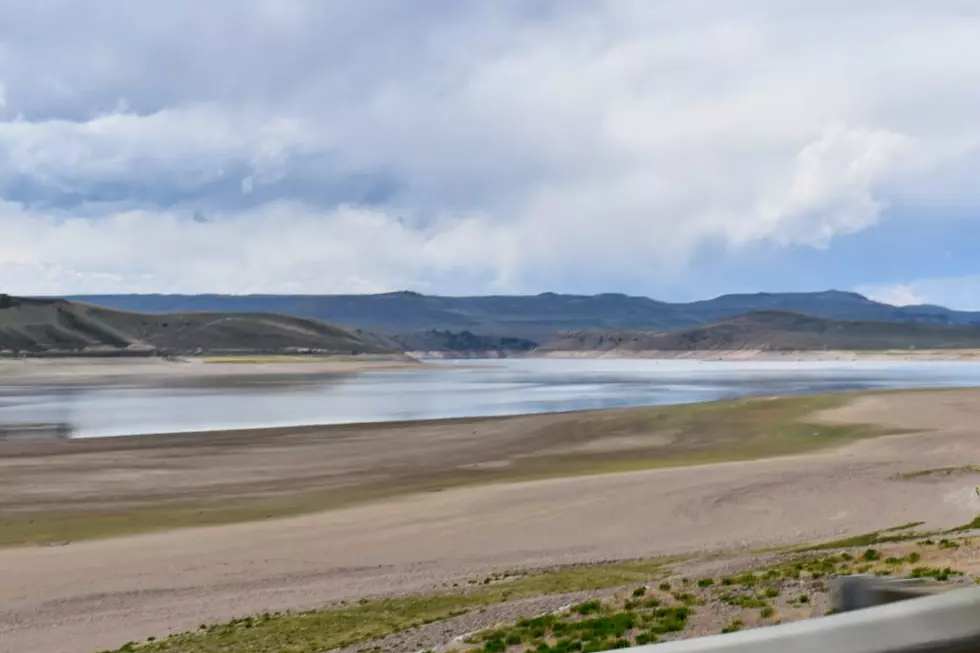
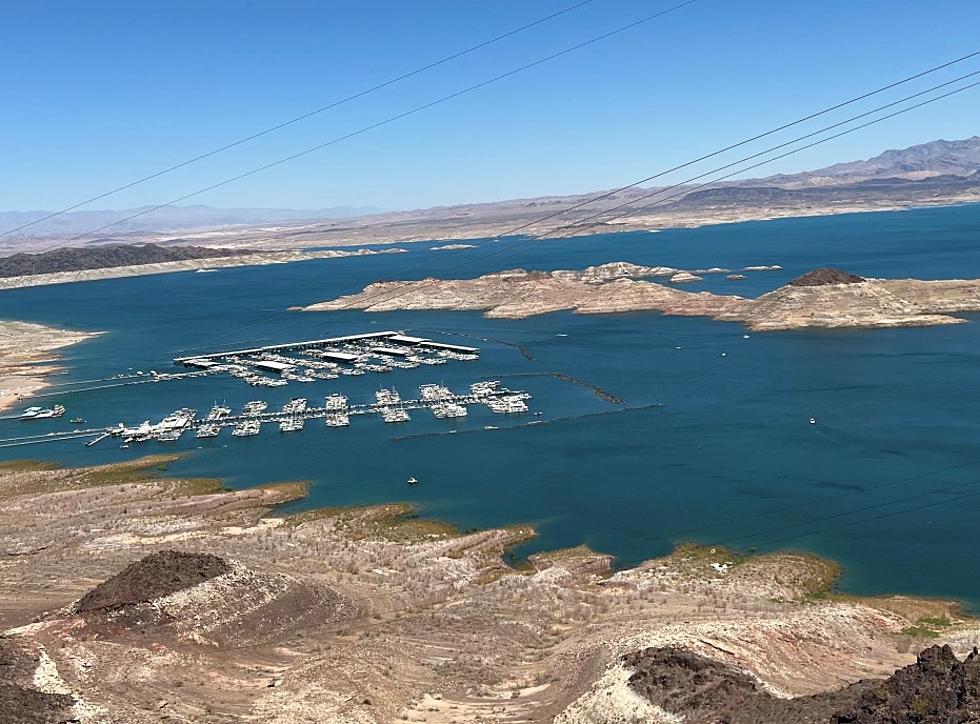
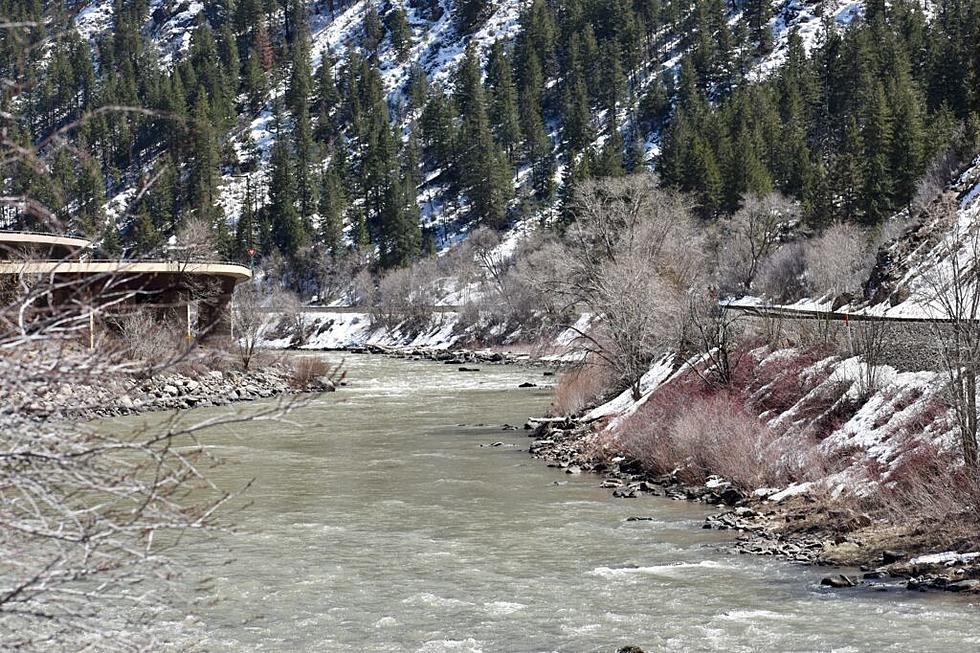
The forecast, and discussion about a new agreement between the seven states that rely on the Colorado River basin, came on the final day of a water conference in Las Vegas.
In the next few weeks, the public will get their first look at a critical document two and a half years in the making that will define how the Colorado River is managed for the next decade.
A fight over which states along the Colorado River have to cut their water use may still be damming up negotiations like the towering concrete of Lake Powell.
A coalition of conservation groups say Nevada’s history can offer hope as water managers across western states negotiate new rules for sharing the Colorado River’s dwindling water supply.
California shoots pointed words at states upriver, as negotiators struggle toward sharing supplies. Without a deal, the Trump Administration will step in.
Thirty federally recognized tribes lay claim to a fourth of the Colorado River, a vital water source for 40 million people living in the western U.S. and Mexico.
Several key agreements adapting the century-old Colorado River Compact to the aridifying region’s ever-decreasing water availability are set to expire next year.
The committee also voted in support of two bills that would allow groundwater pumping regulations in protected areas to be lifted in groundwater basins recovered to previous levels.
State wildlife officials detected zebra mussel larvae in three spots along the Colorado River earlier this month, a sign that the invasive species could be spreading in the waterway.
The U.S. Department of the Interior and Bureau of Reclamation will send $242 million to five projects in Western states to improve water storage and clean drinking water supply.