The ruling is separate from a July decision by the same panel that found that the Alliance for the Wild Rockies can pursue its claim that the project is subject to environmental review.
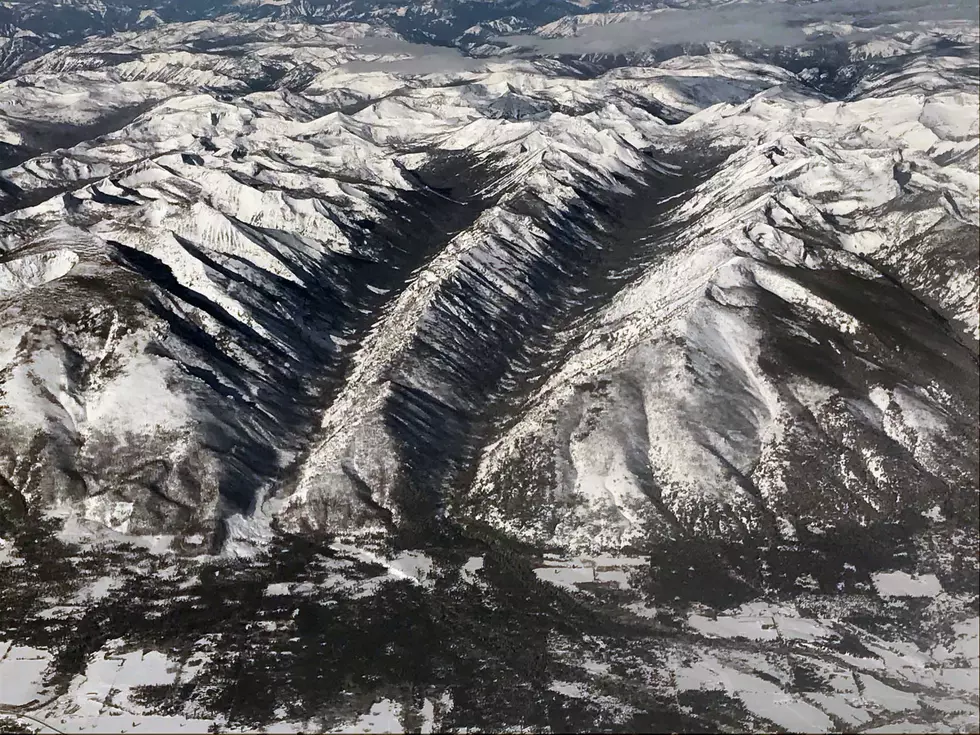
The Bitterroot Front Project was a plan for road projects, logging and burning across 144,000 acres or 225 square miles, from the northern boundary with the Lolo National Forest south to the West Fork of the Bitterroot River.
Mike Garrity writes, "Like the Alliance, it's the small environmental and conservation groups such as Native Ecosystems Council, Conservation Congress, and Friends of the Clearwater that are actually stopping the vast majority of deforestation projects on public lands."
Four organizations are preparing to challenge a logging project near Seeley Lake, saying the Forest Service is once again trying to claim that slivers of land can provide secure habitat for grizzly bears.
A federal judge has ruled that, prior to approving more logging projects, the Bitterroot National Forest must analyze whether building more roads would affect grizzly bears and bull trout.
The notice, issued by the USFS Northern Regional office in Missoula, said that the “emergency salvage” effort is a response to the straight-line and high wind events in December 2025 and April 2026.
Mike Garrity writes, "The next time you are in or see an unlogged national forest, take a deep breath and enjoy the clean air, the sparkling streams filled with native fish, the natural forest filled with abundant wildlife -- and be thankful the Forest Service has not logged or burnt it down."
Five conservation organizations sent a 60-day notice of their intent to sue the U.S. Forest Service and Fish and Wildlife Service if the Bitterroot National Forest doesn’t stop and reconsider how the 20-year Bitterroot Front project would affect threatened species.