
House preliminarily approves ‘River census’ study bill
Keila Szpaller
(Daily Montanan) Rep. David Bedey was born and raised in Hamilton, and he used to fish the Bitterroot River, but it’s so busy he doesn’t anymore.
“Now I go to the Clark Fork or somewhere else where I don’t have to play bumper cars with folks,” said Bedey, a Hamilton Republican.
Bedey made the comments Wednesday in the House Appropriations Committee in support of river use data that would be collected through House Bill 762, sponsored by Rep. Joshua Seckinger, D-Bozeman.
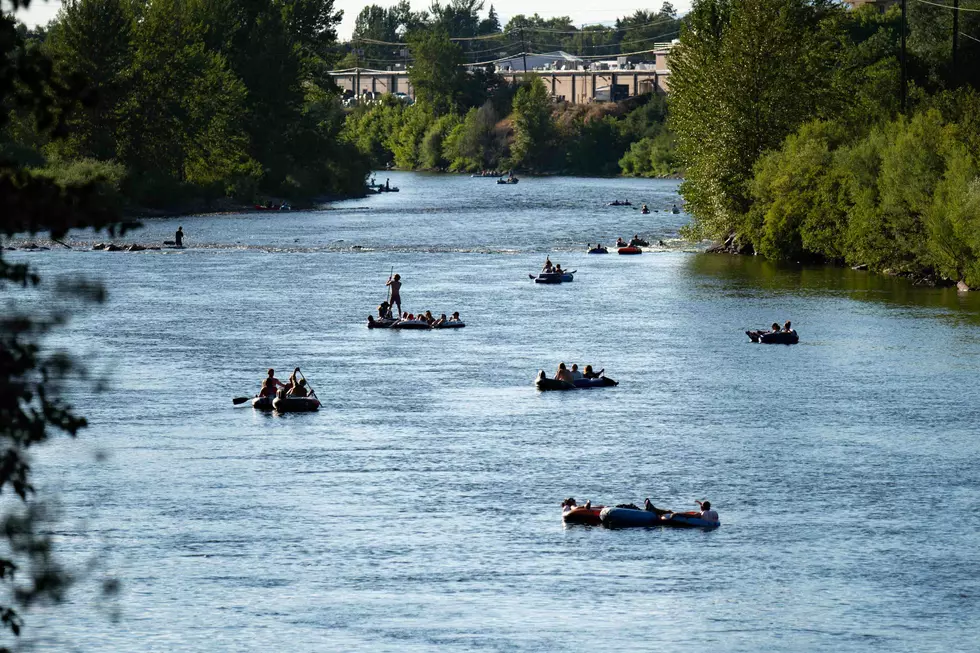
The “river census” bill, which preliminarily passed 67-32 in the House one day earlier, would require Montana Fish, Wildlife and Parks to produce a report of all watercraft on 16 river stretches in the summer totaling 966 miles in the state.
On the House floor Tuesday, Seckinger, a fishing guide, said waterways are busier than ever, and attempts have been made to regulate the fishing and guiding industry in Montana, but without data.
“HB 762 will count everything that floats — rafts, kayaks, drift boats, inflatable flamingos, canoes and tubes — and categorize them by type,” Seckinger said.
He said the report will divide the data into private or commercial use, and it will distinguish between fishing or general recreation.
Seckinger told the committee the guiding and outfitting industry brings in half a billion dollars a year in direct revenue, not counting associated costs such as hotel and gas.
If people want to restrict those businesses, he said, they should have evidence about the source of the impacts, not just anecdotes.
“If we want to regulate the guiding and outfitting industry, let’s get some data,” Seckinger said.
The bill’s most recent fiscal note indicates an estimated cost of $2.7 million for the biennium, including a 15% contingency, although it doesn’t account for an amendment to the bill.
However, money would not come out of the general fund, but from FWP’s state parks account, which is funded through vehicle and camping fees and marijuana tax revenue, an FWP official told the Appropriations Committee.
“This would just come out of our cash fund balance. It wouldn’t reduce any other programmatic spending,” said FWP budget analyst Joy Ross.
The fiscal note said the review would take place from May 15 to September 15 for two years, or eight months total.
Seckinger said the state study would incorporate a separate river study conducted by Montana State University, which would bring up the total miles reviewed to 1,200.
A couple of legislators said they weren’t sure the benefit would be worth the cost.
During the floor debate, Rep. Paul Fielder, R-Thompson Falls, said he conducted plenty of “real surveys” early on in his career, and he wasn’t convinced the state would get enough bang for the buck.
“It just seemed to me like $2.7 million for a boat survey seemed like an awful lot of money,” Fielder said.
In committee, though, Bedey said the study could reveal potential problems that need to be solved, not just with congestion, but with the quality of facilities, such as boat ramps that need to be fixed.
“This is a useful study because I think there are some problems that may need to be solved,” Bedey said.
The Appropriations Committee did not take immediate action on the bill Wednesday. In February, it passed out of the House Fish, Wildlife and Parks Committee on a 16-4 vote.