
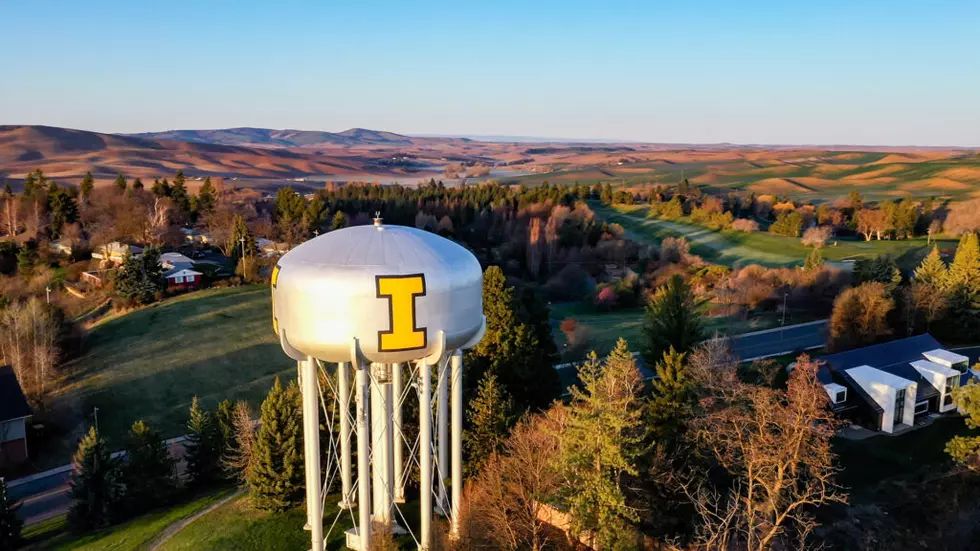
Student loan changes may kill some majors, hurt Idaho universities
Rebecca Tallent
(Idaho Capital Sun) For many people, federal student loans are the only reasons they can meet the financial costs of college.
Recent figures from federal sources show that about 70 percent of University of Idaho undergraduate students receive federal financial assistance. Other state schools have similar numbers.
But those numbers are about to change, perhaps radically.
Under the One Big Beautiful Bill Act, signed by President Donald Trump on July 4, 2025, all programs eligible for federal loans must demonstrate that graduates earn more than a set benchmark compared to non-degree holders.
Undergraduates must be able to earn the median earnings of a working adult ages 25-34 who only hold a high school diploma. Graduate studies would need to earn more than a working adult aged 25-34 with a bachelor’s degree.
Failure to meet these requirements means students in those majors would no longer be able to apply for financial aid under the Accountability in Higher Education: Financial Values Transparency and Gainful Employment rules.
It will also impact on a university’s ability to offer some degree programs, a potential problem for Idaho schools because some majors may be eliminated thanks to low enrollment.
The purpose of the new rules is to ensure students are not financially overburdened with student loans. This is opposed to the original intent of the federal student loan program which was to increase access to higher education even by people who could normally not afford it.
Some of majors considered to be low return on investment include education, natural resources, agriculture, biology, life sciences, anthropology, religion studies, communications, journalism, music, theatre arts, philosophy, psychology, art, English and history. Technical programs include cosmetology and culinary arts; master’s programs include Master of Public Health and Master of Psychology.
The rules do not consider someone who wants to earn a professional degree later. Many people might major in philosophy, journalism, English or history as an undergrad to improve their critical thinking and writing skills before going on to become a lawyer or earn a medical degree (physician, dentist, physical therapist, etc.).
It needs to be noted that some degrees – such as psychology and anthropology – often require a master’s or higher to earn above the benchmark.
Especially for states like Idaho, the potential loss of agriculture and natural resources degrees just makes zero sense. Agriculture is the financial life blood for Idaho. New and emerging technologies and cultivation methods are crucial to help agriculture, and these are often found in university programs. Without natural resources, states can lose their defense against wildfires and wildlife control.
In a time when teachers are in short supply, removing education from student loan eligibility is unthinkable. There are many people who have the desire to become a teacher, but they need federal grants to help them earn their bachelor’s degree. However, teacher pay scales tend to be lower so education majors would not be allowed federal help.
Eliminating cultural programs makes everyone poorer. Art, theatre and literature add richness to society. Businesses looking to locate in a community not only examine housing and schools, but they also seek out cultural opportunities such as music, theatre and other forms of entertainment.
People entering these fields are aware of their earning potential but still feel driven to make the subject their chosen profession.
But perhaps the most telling is the fact this new rule will eliminate so many people from attending college simply because they cannot afford it. It is as if the federal government is saying it is fine if a poor person wants to major in business or economics, but not if they want to become a teacher, musician, minister or counselor.
The comment period for the new rule was short and is now closed. However, people can still contact their congressional representatives to protest the rule, explain how damaging it can be to their communities because they cannot find professionals to take on so many jobs needed in their communities.
Otherwise, the country is about to become deprived as people find their employment dreams destroyed and local communities suffer from lack of services and culture.