
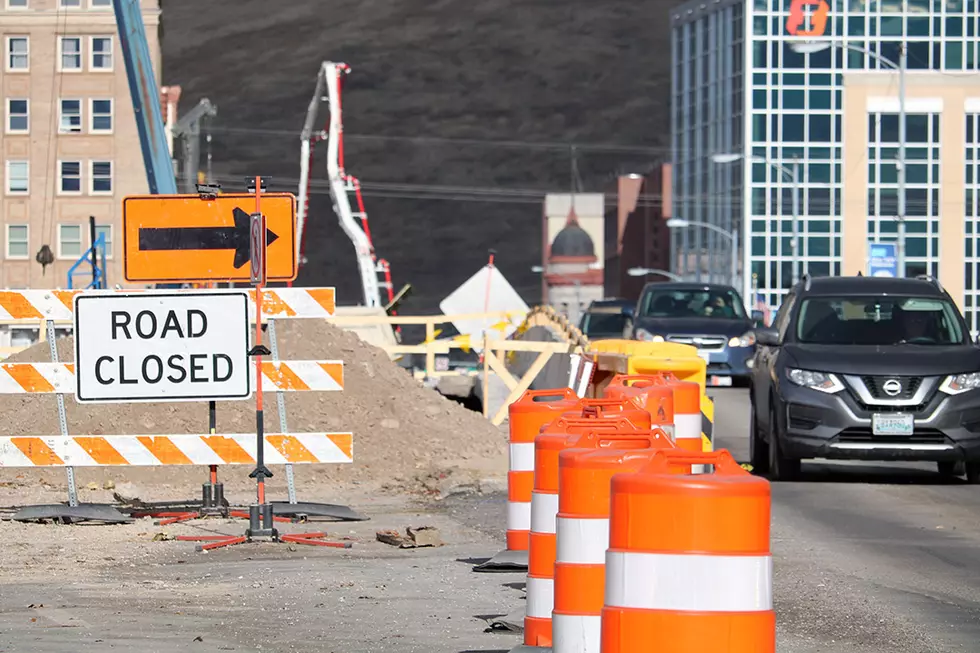
$24 million downtown transportation project wins final approval
Martin Kidston
(Missoula Current) Plans to reconfigure the downtown transportation grid won final approval from the Missoula City Council on Monday night, and while it's not a perfect project, most agreed it will go far in improving safety and access to the city's core.
The project, funded by a $24 million federal grant, has undergone a number of changes during the planning process to bring it in line with financial realities. While planners had to make some cuts, they said the final project will still address a range of needs.
“Projects like this aren't always a win-win,” said Jeremy Keene, director of Public Works. “With limited space in the downtown and limited resources, we had to make some tough choices. But we did listen and we made decisions that balance those interests the best we can.”
The project's key components include restoring Front and Main streets back to two-way travel. Higgins Avenue will be reduced from four travel lanes to two but will receive a dedicated center turn lane and bike lanes.
The project will also enhance downtown trails and connectivity, and upgrade and time 22 traffic signals. Several intersections will also be modified, but Keene said the increased delay should be minimal.
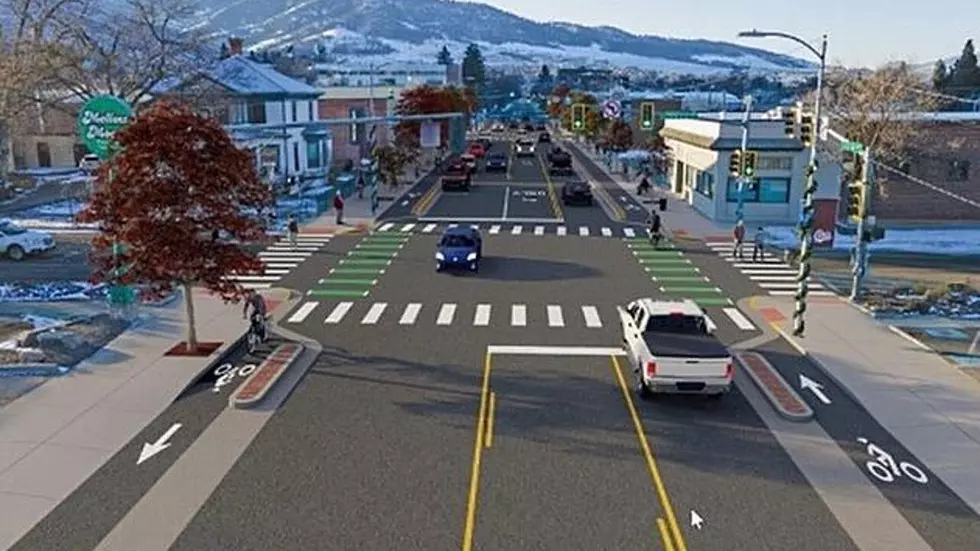
“We prioritized getting in and around downtown over getting through downtown,” he said. “When you're coming downtown, we wanted to make that easier. While some motorists may experience slightly longer delays at certain intersections at certain times of the day, we believe that that delay is going to be measured in seconds, not minutes.”
The $24 million federal grant awarded in 2023 moved the planning process into full gear. But inflationary costs and funding realities forced planners to eliminate, pare back or defer certain project elements.
While the trade-offs have left some frustrated, the end result will address a range of safety concerns, council members agreed.
“I share some of the frustrations. I wish there were core elements we could change today but unfortunately, that's just not the reality,” said council member Justin Ponton. “I do think there will be a lot of net positive impacts.”
Work on the project could begin later this year and will be conducted in phases to minimize impacts to downtown businesses.
Council member Bob Campbell opposed the project.
“We're revamping our downtown transportation system to accommodate a small fraction of the community that may or may not get additional benefit in exchange for more congestion and more traffic,” he said. “I don't feel this is something that's going to be sustainable. I hope I'm wrong.”