
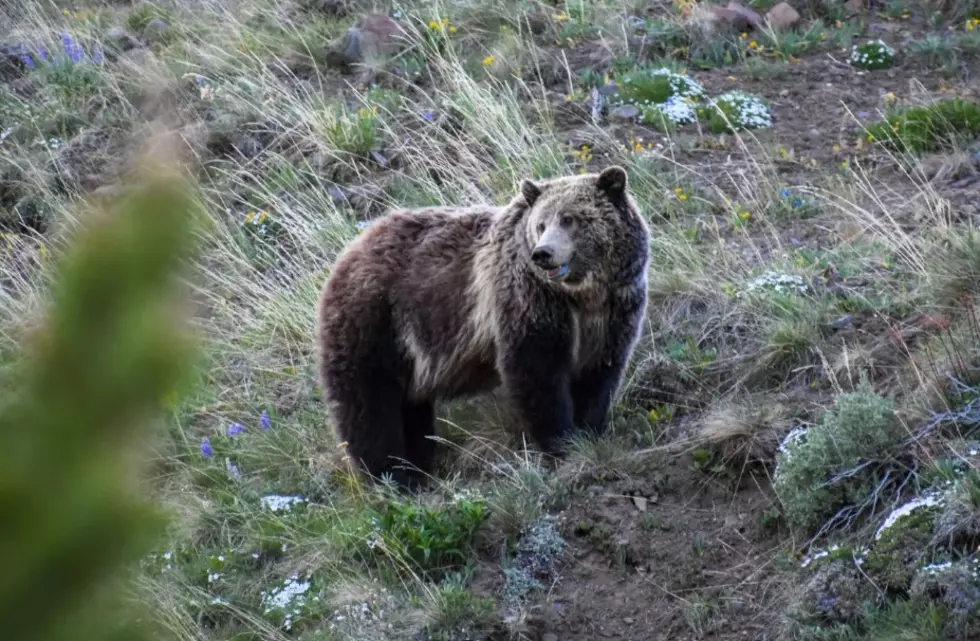
Cancelled Interagency meetings delay grizzly mortality reports
Laura Lundquist
(Missoula Current) The inter-agency organization that oversees grizzly bear recovery has lost time, due to the government shutdown, and maybe employees, so it can’t update the public as it has in years past. Conversely, the public can’t bring up potential problems.
Next week, the Interagency Grizzly Bear Committee was scheduled to have its executive business meeting, when federal and state agencies normally discuss the past year’s population trends, including grizzly deaths, and various efforts to better manage bears and people. But that won’t happen this year, maybe for the first time since the 1980s. A note on the IBGC webpage says 2025 meetings have been postponed.
In addition, the subcommittees that oversee each of the five grizzly recovery areas usually meet in the fall to discuss the information that they’ll present at the executive meeting. But those meetings didn’t occur either. For example, the Bitterroot subcommittee was scheduled to meet on Oct. 22 but that ended up being in the middle of the federal government shutdown, which lasted from Oct. 1 to Nov. 12.
“Not a single subcommittee met this fall due to the lapse in appropriations. The (Northern Continental Divide Ecosystem subcommittee) was scheduled to meet right when people got back and that didn’t happen either,” said David Diamond, IGBC executive director. “The executive committee winter meeting isn’t going to meet to get the reports from the subcommittees. I’m hoping to get some of the information that we would have presented into our winter newsletter. I’m trying to pull that together in the next few weeks.”
Diamond said he had a couple dates in the spring for subcommittee meetings, but didn’t know when the executive committee would meet next.
“The specialists’ conflict reports will be presented in spring. All that work still got done - we just weren’t able to come together to share it out like we usually do,” Diamond said.
The lack of meetings means less is known about the bears that died this year, aside from news stories of hunters shooting grizzlies, such as the two hunters who shot and killed two grizzlies in the mountains east of Seeley Lake. However in the Greater Yellowstone Ecosystem, the U.S. Geological Survey's
The Nov. 25 update to the study team’s preliminary report added 10 more bear deaths, bringing the total for 2025 to 71 grizzlies in the Yellowstone area. That’s one bear less than last year’s record high of 72. Although a few bears were killed by other bears, humans are responsible for almost all the deaths, the majority of which were management removals for livestock depredation or food conditioning. However, 13 deaths are still under investigation.
For the other three grizzly recovery areas - Northern Continental Divide, Cabinet-Yaak and Selkirks - the Montana Fish, Wildlife & Parks online Grizzly Dashboard can provide some information, although it lists deaths by county making it hard to know if deaths occurred within or outside the recovery areas. But the Northern Continental Divide area includes parts of Flathead, Lake, Missoula, Teton and Powell counties, and so far, a total of 14 grizzlies died in those counties this year, according to the FWP dashboard. In 2024, 29 bears died in the NCDE, down from the 47 deaths that were tallied in 2023.
Although the most recent NCDE death was a Dec. 2 conflict removal due to attractants in Teton County, far fewer bears have died from management removals in the NCDE than in the Yellowstone area. Four bear deaths in the NCDE were defense of life, four were struck by cars and another two are under investigation. In Missoula County, cars killed two bears and the two female bears that the hunters shot and killed east of Seeley have been attributed to defense of life.
The FWP mortality map shows zero bear deaths in the counties of the Cabinet-Yaak ecosystem, but that doesn’t include any information for the region that extends into northern Idaho. So, no information is available for the Selkirk area either.
Attractants - garbage, grain, pet food, bird feeders - can draw bears into places where they end up in conflict with humans. If they get too much access to attractants, bears can become conditioned, which leads to bear managers having to kill them. Alternatively, it may lead to situations where people feel threatened and end up shooting bears. So, several Bear Smart programs are trying to educate people about properly containing their garbage and keeping other attractants indoors to reduce the number of bears dying due to food conditioning.
Similarly, national forests in bear country are supposed to install bear-proof garbage containers and post signs to educate the public about food storage requirements to keep bears safe. But some of that has been slow in coming.
With that in mind, members of the Flathead-Lolo-Bitterroot Citizen Task Force recently visited 32 facilities - campgrounds, day-use sites - on the Lolo National Forest and found several violations of the Forest-wide Food Storage Order, which they documented in a report.
In campgrounds with campground hosts, they found few violations. But that wasn’t the case for unsupervised sites with no or infrequent trash collection. The report notes that some of the most egregious violations were within the Ninemile Demographic Connectivity Area, which is used by grizzly bears migrating between the NCDE and the Bitterroot recovery area. When the Task Force questioned Forest Service employees, the employees said they are short-staffed and could not check campgrounds and picnic areas on a frequent basis. The report warns that in such areas, even campers who practice good food security remain at risk from previous users who may have attracted bears to the area.
Mike Bader, Task Force consultant, said he intended to submit the report to the NCDE subcommittee during next week’s executive committee meeting but now has no way to do that. He said bears could die because the Forest Service can’t carry out the duties they’ve committed to under the IGBC.
Contact reporter Laura Lundquist at lundquist@missoulacurrent.com.