
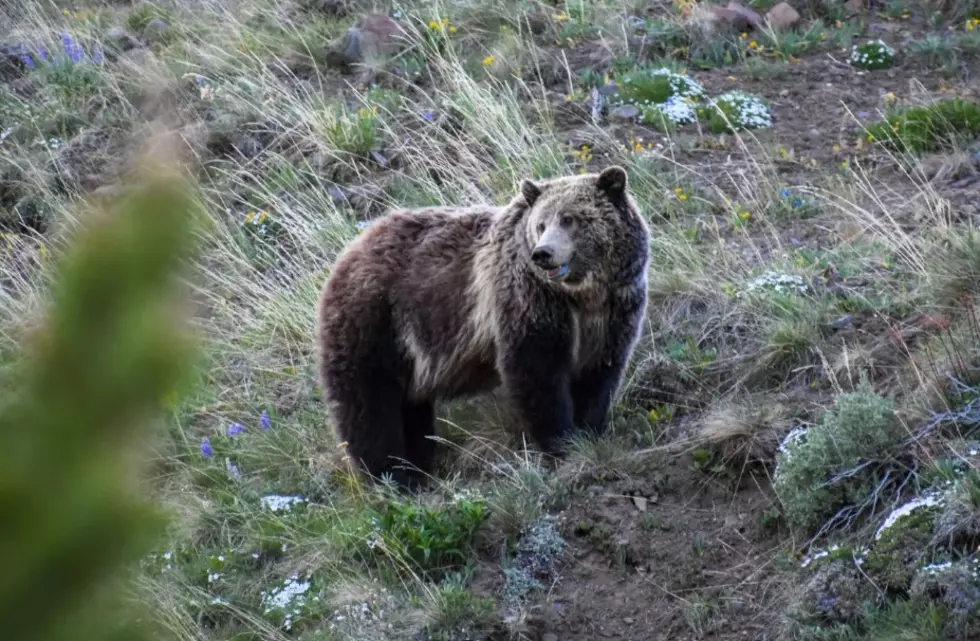
Viewpoint: Hunter harassment of grizzlies continues
Dave Stalling
At the same time grizzly bears are going into hyperphagia (a persistent hunger and search for food in preparation for hibernation) hunters are flocking to the woods in search of elk and deer.
Many of these hunters wear camouflage, move quietly, imitate elk calls, try to mask their human scent and use attractants such as elk urine. Some of them kill elk and deer whose carcasses can attract bears. All of this can make bears less aware of human presence, increase the chances of hunters surprising bears and even draw bears in to attractants created by hunters.
In addition, grizzlies are experiencing a decline in many traditional food sources (white bark pine nuts, cutthroat trout, berries) and are wandering more in search of other food sources, often bringing them closer to an ever-expanding number of humans and associated garbage, dog food, chicken coops, bird feeders, livestock, elk and deer carcasses and other temptations.
All of which increases the chances of encounters between humans and grizzlies. Occasionally, people are hurt. Or killed. Usually things don't end well for the grizzlies.
Considering all this, it’s surprising there isn’t more conflict between humans and grizzlies than there is. But, as the late grizzly researcher David Mattson once put it, “Grizzlies show remarkable restraint in the face of human stupidity.”
Most incidences could be prevented if humans took time to learn about and better understand bears — their behaviors, habits, responses to fear and perceived threats and the clear warnings they give when agitated. But human arrogance keeps us from being as patient, tolerant and accommodating as grizzlies are. We blame them, and seek to kill them and reduce their population. We’re a species that likes to be in control, regardless of the consequences to other species we share the planet with.
This is why grizzly bears currently occupy less than two percent of their historic range in the contiguous United States. What few grizzlies remain face numerous threats and challenges such as habitat changes from climate change, an ever-expanding human population, genetic isolation and human misunderstanding, arrogance and ignorance.
Every time I see a story in the news of an incident between hunters and grizzlies, the comment sections are inevitably filled with myths, lies and misconceptions about grizzlies — that there’s “too many” bears, that they need to be “removed” from the federal protection of the Endangered Species List, with “management turned over to the states,” so they can be “hunted” and killed, to “reduce their population,” “reduce conflict” and “teach them to respect and fear” we humans.
These same hunters claim that hunting, and wildlife management is based on “good, sound science.” Yet their false claims are easily refuted by science.
Here’s what science tells us: Grizzlies are an apex predator that evolved with little predation and are mostly self-regulating in population size. They have one of the slowest reproductive rates among all terrestrial mammals in North America due to a combination of factors, including delayed maturity, small litter sizes, and a long interval between litters.
The killing of bears can disrupt territorial, breeding, rearing and learning behaviors and increase conflicts between grizzlies and humans.
Hunting is not an effective way to control bear populations. More likely, it will exacerbate the challenges hunters and managers wrongly claim to be addressing.
When bears are killed, it is highly unlikely that the dead bears will learn to respect and fear us. When bears do learn to fear us, they can be more dangerous; fear is what drives most bear attacks.
Most grizzly attacks involve protective mother bears who fear for the safety of their cubs. Even where grizzlies are hunted, such as in Alaska and parts of Canada, it is illegal to kill females with cubs.
Here’s a more sensible plan based on science: We learn all we can about grizzlies and find ways to peacefully coexist. We learn to heed and respect their warnings. We reciprocate their patience, tolerance and restraint. We keep them on the Endangered Species List until they reach secure, viable population numbers within healthy, protected habitat with genetic connectivity.
Most importantly: We humans give grizzlies the space and respect they need and deserve.