
Arizona accuses kratom, kava company of hiding addiction risks
Monique Merrill
(CN) — Arizona on Wednesday sued the maker of “feel free,” a drink containing psychoactive substances known as kratom and kava, and accused the company of falsely marketing it as a wellness tonic while hiding its harmful risks.
“Arizonans should be aware that behind ‘feel free’s’ appealing marketing, there is real danger of addiction and other mental and physical harm,” Arizona Attorney General Kristin Mayes said in a statement.
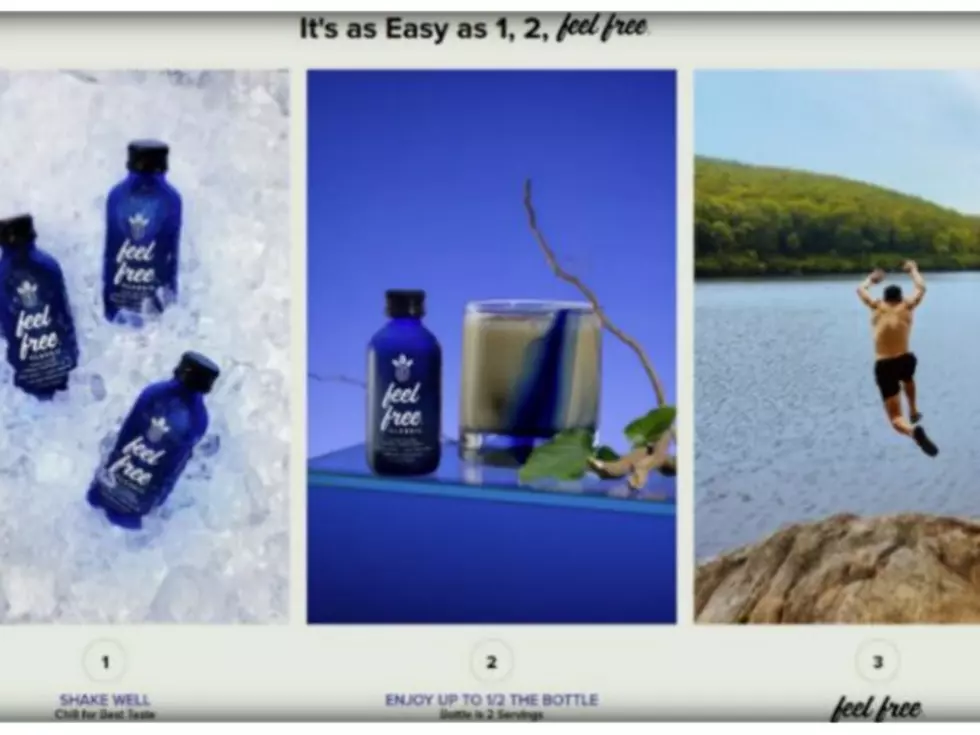
“feel free” is found in gas stations, convenience stores and other retail locations across the state. Botanic Tonics markets the two-ounce drink as an energy product and alternative to alcohol.
Arizona says the company has neglected to disclose, or has minimized, the risks associated with “feel free”. Namely, it contends Botanic Tonics promotes the drink as a kava product that includes “other ancient plants” instead of directly naming kratom.
“Describing ‘feel free’ as a kava drink is akin to describing a gin and tonic simply as a tonic,” the state claims.
Kratom is a tree that grows in Southeast Asia. Its leaves, when eaten or crushed and brewed into tea, have a mild psychoactive effect similar to opioids. At low doses, it acts as a stimulant, and at higher doses, it acts like a traditional opioid. It is sometimes referred to as “gas station heroin.”
“So, if users first try a small amount, it might feel like an energy drink, lulling them into a false sense of familiarity,” the state writes in the complaint. “When they drink more, the opioid-like effects become more pronounced.”
The Food and Drug Administration has warned consumers not to use kratom because of the risk it poses for liver toxicity, seizures and substance use disorder. The Drug Enforcement Administration banned three kratom plant derivatives in August, though not the compound found in “feel free.”
Between 2020 and 2023, the state identified 146 documented kratom deaths.
“It is clear that kratom products are addictive and can have lasting health consequences for children and adults,” Mayes said. “We will not tolerate companies that sell these products without adequate safeguards in place to ensure that consumers understand these risks.”
The state cites reports from consumers who described forming a dependency on “feel free,” sometimes drinking up to seven bottles a day and experiencing withdrawal symptoms.
Kava, the other main ingredient in the product, is a central nervous system depressant that has sedative, muscle-relaxing and euphoric properties. It originated in the Pacific Islands, where it has traditionally been used as a ceremonial libation. The FDA also warned consumers to avoid using it as a recreational or relaxation beverage.
Botanic Tonics founder Jerry Ross, also a defendant, has claimed “feel free” is the first product to combine kava and kratom.
Arizona says the company broke down the barriers consumers previously encountered when seeking out kratom. It was once a niche product found primarily in smoke shops that required preparation from powder or ground leaves into a bitter drink, which the state says discouraged impulsive use.
When Botanic Tonics launched “feel free” in 2020, the state claims it transformed kratom from a traditional remedy to a mass-marketed product without disclosing the risks. Arizona contends Ross was well aware of the addictive qualities of the product from both personal use and feedback from consumers.
“In addition to Ross’s own pre-launch experiences with heavy ‘feel free’ use, defendants have repeatedly received post-launch reports from consumers — including consumers in Arizona — describing escalating consumption, dependence, severe withdrawal, financial and social consequences, and the need for medical detoxification or rehabilitation,” the state writes.
Arizona accuses the company of purposely disguising “feel free” to look similar to 5-hour Energy shots and misleading customers into thinking the drink is a natural alternative.
The state also says Botanic Tonics uses aggressive marketing tactics to target young adults — through memes and paid promotions with influencers — and the “sober curious.”
“Defendants are unfairly and deceptively marketing ‘feel free’ on social media that can reach youth worried about protecting mental health outcomes, without disclosing to them that it can cause depression, hallucinations, delusions, confusion, and substance use disorder,” the state writes.
The state is asking the court to find Botanic Tonics violated the Arizona Consumer Fraud Act and ban it from misleading consumers.
Botanic Tonics did not respond to a request for comment before press time.