
Experts, Missoula City Council, shine light on domestic violence
Martin Kidston
(Missoula Current) With domestic violence on the rise, members of the Missoula City Council and a range of community experts took a deep dive into the issue on Wednesday, from the psychology that drives it to the struggles faced by survivors.
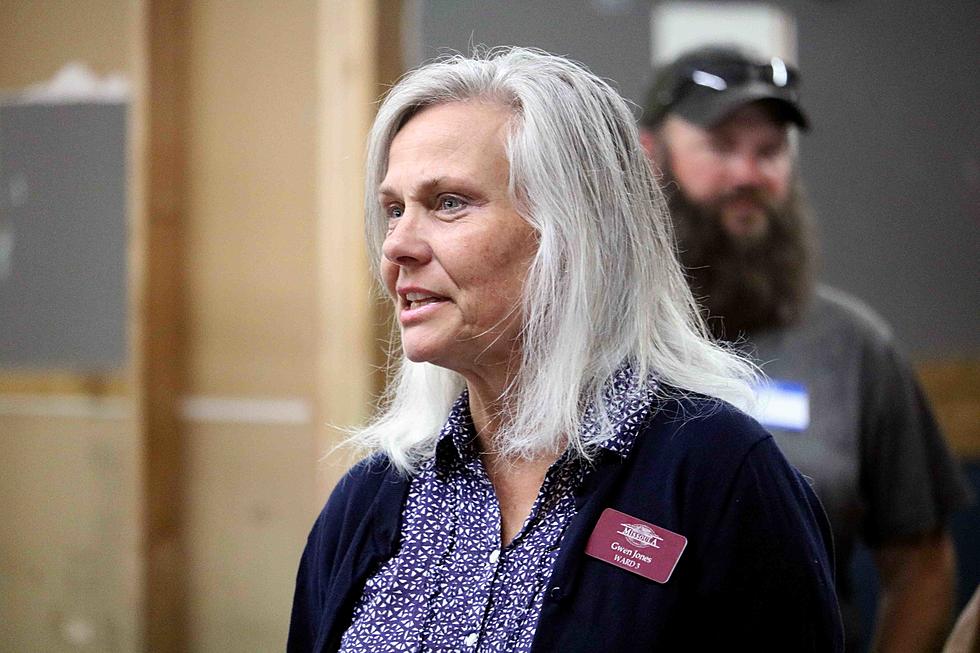
The forum, organized by council member Gwen Jones, looks to raise awareness and curate testimony in hopes of legislative action early next year.
“It's a huge issue and something we should be talking about,” said Jones. “If people can find out where to get help when they are experiencing harm, that's a good thing.”
Jones cited a number of high-profile domestic violence incidents that unfolded nationally this year in a single month. In April, former Virginia Lt. Gov. Justin Fairfax shot his wife, then himself. In Louisiana, Shamar Elkins killed his wife, her friend and eight children.
In Billings, Shawna Hart – the mother of five children – was killed by her ex-husband after he was released from prison. Such incidents aren't hard to find, Jones said.
“Those incidents paint a picture of what a nightmare this is,” she said. “The more we as a community know about this, the better off we are.”
A recent national survey found that 34% of women and 17% of men have experienced some form of violence at the hands of an intimate partner in their lifetime. In Montana, the statistics are higher, reaching 38% of women and 24% of men.
In Missoula, Crime Victim Advocates reported 580 victimizing incidents in 2024 alone. The Missoula Police Department also reported 275 incidents while the YWCA served more than 1,600 survivors across a range of categories.
“Missoula County has the second highest reported rate of domestic violence in the state. Events are getting reported, which is good, but the high numbers are bad,” Jones said. “This is an issue that needs our attention.”
Wednesday's forum marked the first of two lengthy sessions planned around the topic. Experts discussed myths, the psychology of victims and that of male perpetrators. Broken down, all agreed that intimate partner violence is a public safety issue that has far-reaching impacts.
“The one thing that's become very clear to me over the years is that intimate partner violence doesn't happen in isolation, and neither do the consequences,” said Celedina Coss, manager of Crime Victim Advocates in Missoula. “When someone experiences violence in their homes, the impacts don't stop at the front door. Children carry those experiences into their classrooms and adults carry them into their work place.”
Coss, a licensed clinician, said domestic violence goes beyond physical violence. Incidents of intimidation, stalking, financial abuse and prolonged psychological manipulation also rank as abuse and are considered among the risk factors faced by women who are murdered or abused.
Statistics suggest that 16% of women who are murdered and 74% who are abused had a partner who controlled most or all of her daily activities. Roughly 32% of women who are killed and 77% who are abused had a violent and constantly jealous partner.
“As a clinician, I understand how trauma impacts individuals, families and communities,” said Coss. “I understand how prolonged exposure to fear and uncertainty can influence someone's physical and emotional health, their relationships and their ability to make decisions.”
While many often ask why the victim doesn't simply leave the situation, Coss said safety may mean something entirely different for someone experiencing domestic violence. It's one of the points behind the forum, she added.
“Leaving doesn't always mean safety. In fact, separation can be one of the most dangerous times for someone experiencing this,” said Coss. “When someone constantly anticipates danger, their brain and body adapt to survive.”
The Missoula Current will cover a range of issues within the forum over the coming days. If you or someone you know needs help, here is a list of resources.