
Viewpoint: Take note – Roadless Rule built by public demand
Yve Bardwell
When the Roadless Rule was established in 2001 after enormous public outreach it was hailed by conservationist as the most significant step to protect our nation’s forests since Teddy Roosevelt laid the groundwork for the national forest system in 1905.
This policy blocks industrial logging, mining, and drilling across 58 million acres of the remaining undeveloped National Forest Lands. The roadless rule protects 30% of our national forests, designated wilderness areas account for 20%, and the remaining half is already open to resource extraction, including drilling, logging and mining.
These are the woods you take your family to, where you drag the camper down a two-track and post up for the weekend with friends or family. This is where kids run wild and begin to learn a love for the freedom of the woods. It’s the spot you go to cut down your Christmas tree or try to shoot your first deer.
Roadless areas were designated for their sense of wildness, the clean water they provide to our communities, their abundant hunting and fishing opportunities and intact wildlife habitat.
I cannot speak to all forests but the wild places I do know provide our rural community with a valuable and sustainable economic resource. Recreation Tourism has become a main driver of Montana’s economy generating $3.8 billion in economic impact in 2024. This makes Montana’s GDP from recreation tourism the 3rd largest in the nation, behind only Hawaii and Alaska. Forests are no longer a renewable resource. But intact ecosystems are.
As a small business owner, I have direct experience with this impact. I live in a small town and operate an outfitting business in the Bob Marshall Wilderness Complex. It is a privilege to operate a commercial business from your public resource. My family depends on recreation tourism, and so do many other families in the rural communities across the state. It is vital for the long-term sustainability of the rural West to maintain vibrant landscape connectivity.
A lot has changed in Montana but the land continues to define us. It is part of who we are. It has a seat at our table. It is a cherished gift.
The creation of the Roadless Rule was accomplished with overwhelming public support and passed in Congress with bipartisan agreement. Rescinding it is a top-down attack on a policy with very little public input. When the Rule was rescinded the public comment period was truncated ignoring the historic “privilege” of allowing “we the people” the opportunity to speak when it comes to the management of our land.
Public lands are one of the best things we ever did as a nation. It is our treasure to protect and our legacy to pass on. Would “we the people” really benefit so much from forfeiting this gift to industrial interests? Is it really in our best long-term interests?
As a parent it is imperative to me that all children have access to genuine natural landscapes and the legacy of our shared public lands be preserved and stewarded with their future in mind.
The resources that large intact ecosystems have to offer all of our communities long into the future will continue to unfold in ways that we cannot know today, but that will continue to shape our lives, economies and health for the better.
As a citizen I resent that a policy that has been adopted over time by robust public engagement is being so frivolously cast aside and the ability to have our voices considered in the debate snuffed. We too are losing our seat at the table.
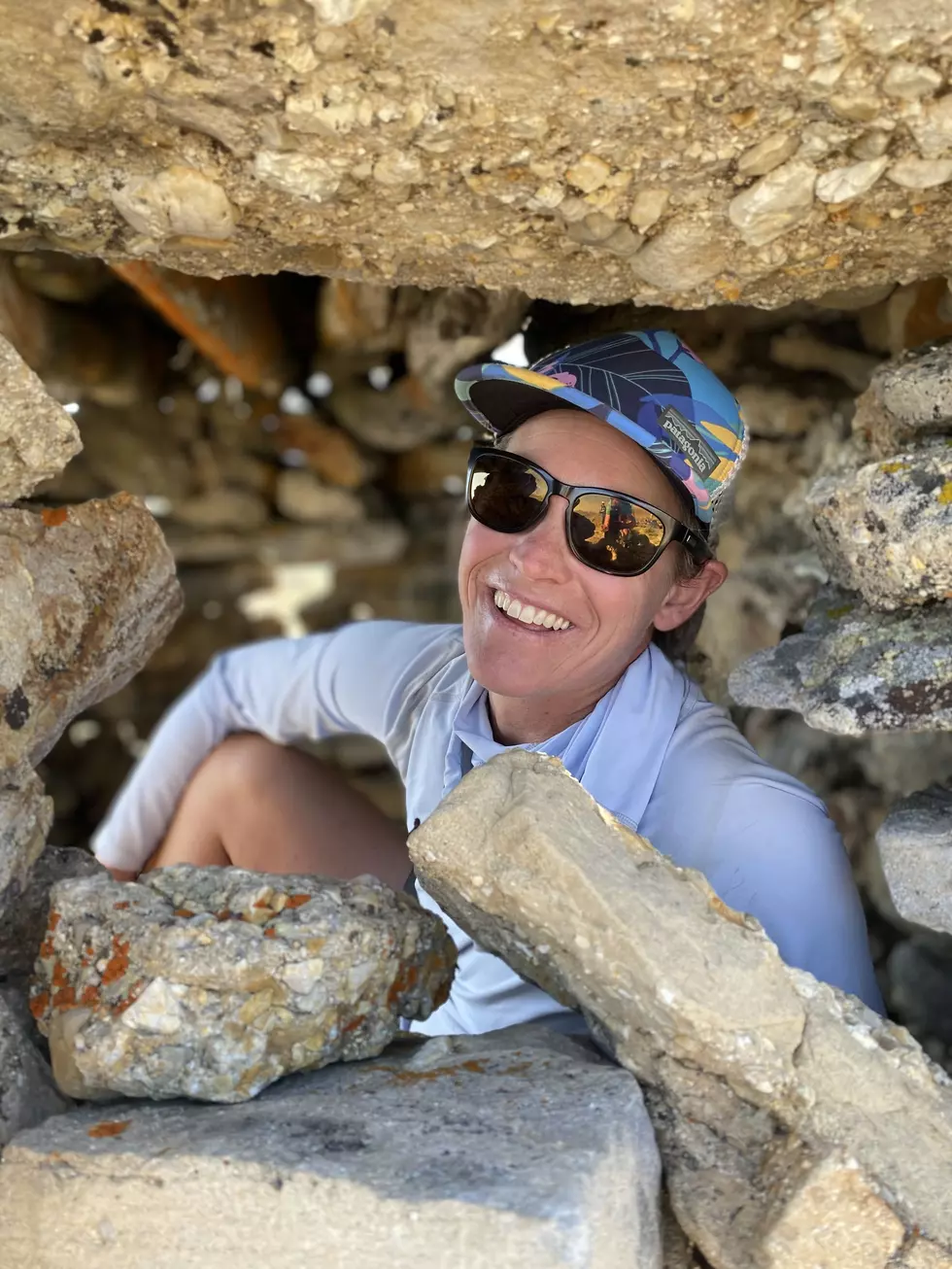
Yve Bardwell is a member of Mountain Mamas and lives in Choteau.