
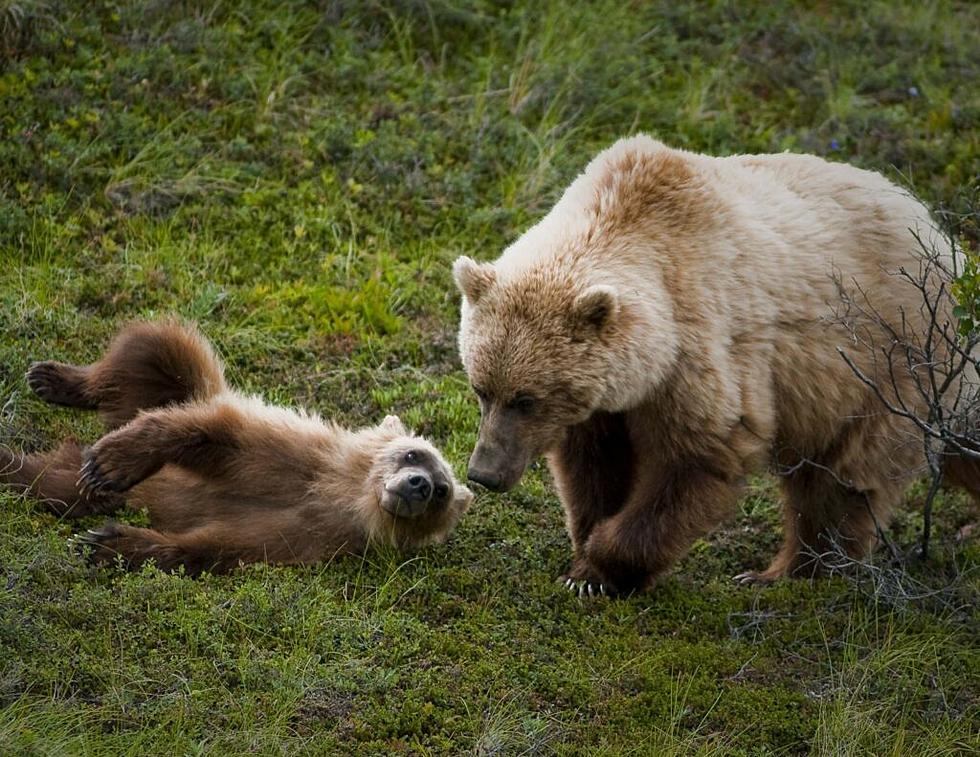
Wildlife advocates, ag producers comment on state griz control
Laura Lundquist
(Missoula Current) The U.S. Fish and Wildlife Service is inundated by comments both opposing and supporting a federal proposal to allow states to manage threatened grizzly bears.
Monday was the deadline for the public to comment on the U.S. Fish and Wildlife proposed rule to allow Montana, Wyoming and Idaho to assume management of grizzly bears, even though the bears are not delisted. Interior Secretary Doug Burgum and the three state governors announced the proposed rule on July 15.
The proposed 4(d) rule - named for the section of the Endangered Species Act that covers what’s legal as far as killing or harassing listed species - would allow state wildlife agencies to authorize all “take” - killing or harassing - for two larger grizzly populations based on memorandums of understanding that have yet to be written. For other areas, current take limits would be expanded to allow incidental trapping and allow individuals to take action to deter grizzlies in conflict situations.
After the rule was announced, Montana Fish, Wildlife & Parks administrators conducted a series of town halls in places like Choteau and Dillon to explain the change to ranchers eager for more control.
A July 21 FWP press release about the Choteau meeting said landowners “shared their frustrations that federal agencies aren’t listening and don’t understand what communities deal with living in grizzly bear country.”
“What we heard tonight were not only the hard questions, but that now is the time to share our stories and our voice. We need farmers and ranchers to comment on this proposed rule and tell the Fish and Wildlife Service exactly what it’s like raising a family in grizzly bear country,” Cody Shick, Teton Farm Bureau president, said according to the FWP press release.
At the Dillon town hall, FWP recorded a man wearing a Montana Sportsmen for Fish and Wildlife hat and shirt who said he was confident that FWP could take the reins of the situation, adding “It gives me some pretty good confidence in the ability to take this and not have to go back on federal control.”
Hearing those sentiments, grizzly bear advocates point to the anti-predator attitude embraced by the state legislature, FWP and the FWP commission and are concerned that the state will bow to the pressure voiced by ranchers. But more than that, they say the proposed 4(d) rule is an end-run around the Endangered Species Act, and the U.S. Fish and Wildlife Service is being forced by the Trump administration to abdicate its responsibility under the law.
“It would effectively remove the Service’s oversight over grizzly bear management in core recovery and connectivity areas essential to the grizzly bear’s recovery, while turning authority over to states whose political branches have proven hostile to continued protection,” according to comments Earthjustice submitted for seven wildlife organizations, including Center for Biological Diversity, Conservation Northwest, Friends of the Wild Swan, Nimiipuu Protecting the Environment, Park County Environmental Council, Sierra Club, and Swan View Coalition.
Wildlife advocates say grizzly bear numbers may have improved since 1975 when they were listed. But the species is not recovered, which is why it isn’t being delisted. It’s a higher bar to delist a species because the Fish and Wildlife Service must evaluate five factors, including species habitat, the inadequacy of regulatory mechanisms, and other factors that could affect the species’ existence. Based on those factors, the bear is in trouble, and states shouldn’t be given authority to increase grizzly take with no federal oversight and no way to retract the authority if states go too far, advocates say.
Regarding habitat, advocates point to several recent Trump administration changes, including rescinding the definition of “harm” to grizzly bears, which would allow unlimited habitat degradation; repealing the Roadless Rule, which would further degrade habitat; and opening more public land grazing allotments to livestock, which could lead to more conflict with grizzlies.
Regarding regulatory mechanisms, the states argue that they wouldn’t want the federal government to take over again so they have an incentive not to let grizzly populations decline. Wildlife advocates argue that the Fish and Wildlife Service already found state regulatory mechanisms to be lacking. Now, allowing increased take for trapping, deterrence or livestock depredation could cause a slow-to-reproduce species like grizzlies to decline quickly and the proposed rule has no population monitoring or triggers to stop the take. In addition, there’s no discussion of how the federal government could retake control if the states fail to preserve the species.
Finally, advocates point to wildfires and food failures made worse by climate change that destroy grizzly habitat. For example, this year, the berry crop is poor in many locations. In addition, surging human development is fragmenting what little habitat remains in the Northern Rocky Mountains and limiting the ability of grizzlies to migrate between populations. And under the proposed rule, grizzlies will get no protection outside of designated recovery areas.
That, coupled with the past two years of close to record numbers of grizzly deaths, almost all human-caused, indicates even existing protections are limited. Plus, agencies don’t know what the actual grizzly population sizes are - they can only estimate.
“While the rule’s effect would be tantamount to population-level delisting, the rule does not comply with the ESA’s core requirements to ensure that species recovery is secure. Specifically, the proposal does not evaluate whether threats to grizzly bears and their habitat, together with inadequate regulatory mechanisms, warrant their continued protection, as the Endangered Species Act requires,” according to the Earthjustice comments.
Former FWP grizzly bear specialist Tim Manley told the Current that the state already has a lot of control over grizzly bear management without the new 4(d) rule.
“The state responds to all grizzly bear conflict management and also leads most of the grizzly bear population management in the NCDE. It is true we have to coordinate with the USFWS on any final decision regarding translocations or removals, but for me, that was never an issue,” Manley said. “Most of the USFWS involvement has to do with land management activities on public lands, writing the recovery plan, and overseeing law enforcement actions, which included harassment or harm.”
The Flathead Lolo Bitterroot Citizen Task Force says some of the recent projects on public lands and the associated increase in logging and road building that threaten grizzlies by degrading habitat. Plus allowing more trapping for wolves and marten while grizzlies are outside their dens will cause more bears to be maimed and even killed.
“We’re a long way from true biological recovery of grizzly bears and this proposed rule puts us further away,” said Task Force president Patty Ames. “The Conservation Strategies are being trashed and kill permits are being handed out to the states and the Forest Service like candy. It’s no way to manage a species like the grizzly.”
Hunters like Randy Newburg have said the rule isn’t a problem, because population numbers have grown over his lifetime so “we’ve proven we can accommodate them.” Ranchers point to seeing more bears on the plains and equate that to there being too many bears. But recovery isn’t just about numbers, according to Save the Yellowstone Grizzly.
“True recovery requires recognizing the impacts of climate change, protecting secure habitat, reconnecting isolated populations, building wildlife crossing structures, promoting coexistence and tolerance through Bear Smart communities, updating outdated management plans to reflect today's science, embracing Indigenous wisdom, and ensuring grizzly bears can thrive in a changing landscape for generations to come.”
Contact reporter Laura Lundquist at lundquist@missoulacurrent.com.