
Missoula County to fund study on tax increment financing
Martin Kidston
(Missoula Current) The use of tax increment financing has its share of supporters and opponents, but few have a solid understanding of how the system truly works, and Missoula County looks to change that.
Commissioners on Thursday approved spending up to $55,000 to hire a consultant to conduct a study on the workings of tax increment and how it impacts other taxing jurisdictions.
“We have heard concerns regarding the impact of TIF on taxing jurisdictions that have boundaries that overlap our districts,” said Flanna McLarty. “We have learned that we lack a shared understanding of how the process works from start to finish.”
Tax increment captures incremental increases in the tax base within a specified district over time. The increase over the initial tax base can be reinvested within the district to support everything from public infrastructure to transportation needs.
When the district expires, the increase in tax value is redistributed, adding to the tax base. But in reality, McLarty said the process is far more complex and the impacts aren't fully known.
The county's study looks to understand how TIF interacts with Montana's valuation and taxation process, and how it impacts the budgeting of other taxing jurisdictions, along with any potential impacts to taxpayers.
“We want an unbiased opinion. We don't want to advocate for or against TIF. We just want somebody to explain how the mechanics of this works,” said McLarty.
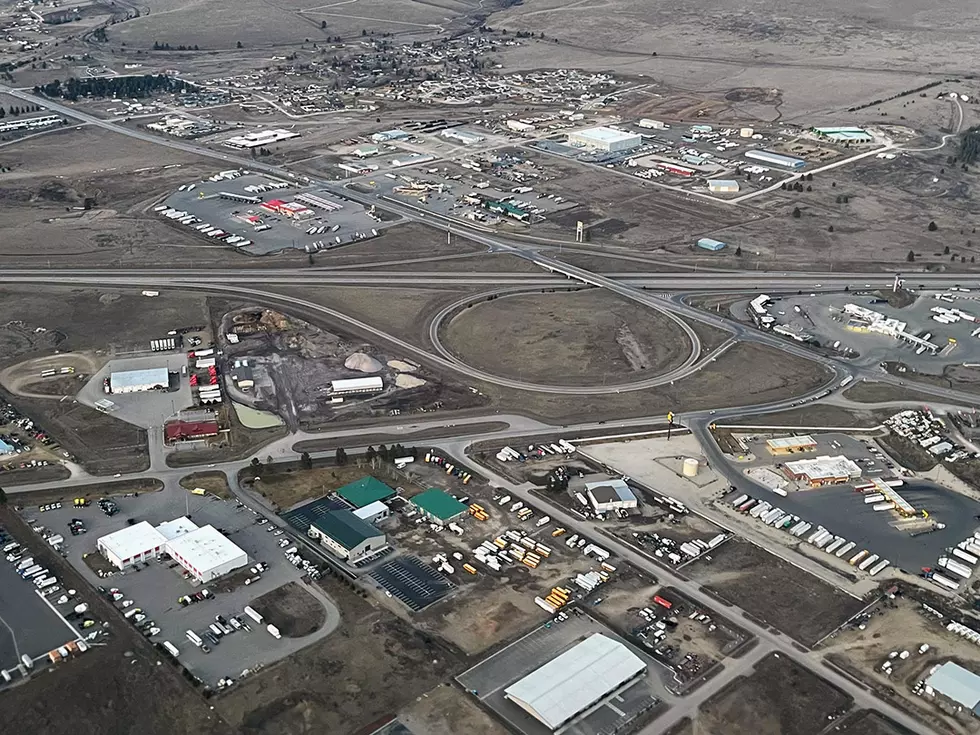
Missoula County maintains five TIF districts including the Bonner Mill, the Bonner West Log Yard, and Wye I and Wye II. Those four districts will each contribute $13,750 toward the study.
“What we're hoping for from this study is to get to the point where we have an accepted basis of facts,” said Commissioner Josh Slotnick. “This is coming out of a lack of clarity. This study should provide clarity to us and all the taxing jurisdictions.”