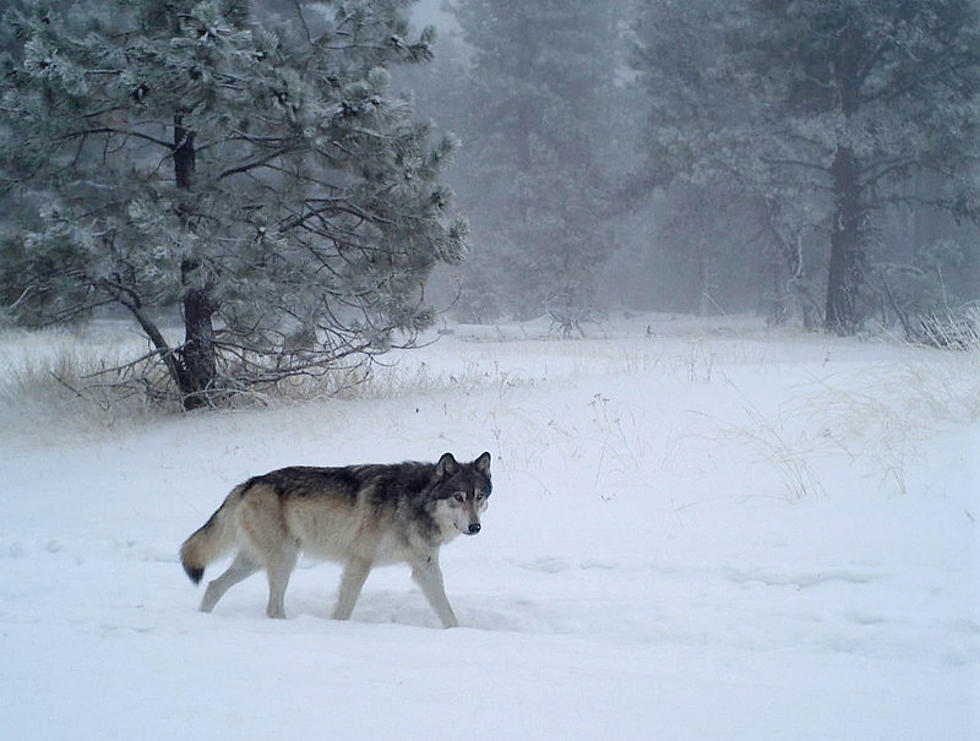
Despite distemper-driven decline, most remaining canines now have strong antibodies and resistance — and state biologists are upbeat about the species’ ability to rebound.
State and tribal officials counted a minimum of 270 wolves and 49 packs, including 23 breeding pairs at the end 2025, according to a new report from the Washington Department of Fish and Wildlife.
Montanans are becoming increasingly tolerant of wolves in general, but wolf hunters and trappers are some of the least tolerant in the state, according to new Montana research.
The Center for Biological Diversity sent a 60-day notice to the U.S. Fish and Wildlife Service declaring its intent to sue if the agency doesn’t develop a national recovery plan for the gray wolf as required by the Endangered Species Act.
With the third winter “release season” in Colorado’s gray wolf reintroduction plan just weeks away, state wildlife officials are scrambling to find a source for additional relocated wolves.
After a judge denied a request to suspend Montana’s wolf season three years ago, wildlife advocates are now trying again after the Fish, Wildlife & Parks commission recently increased the wolf quota.
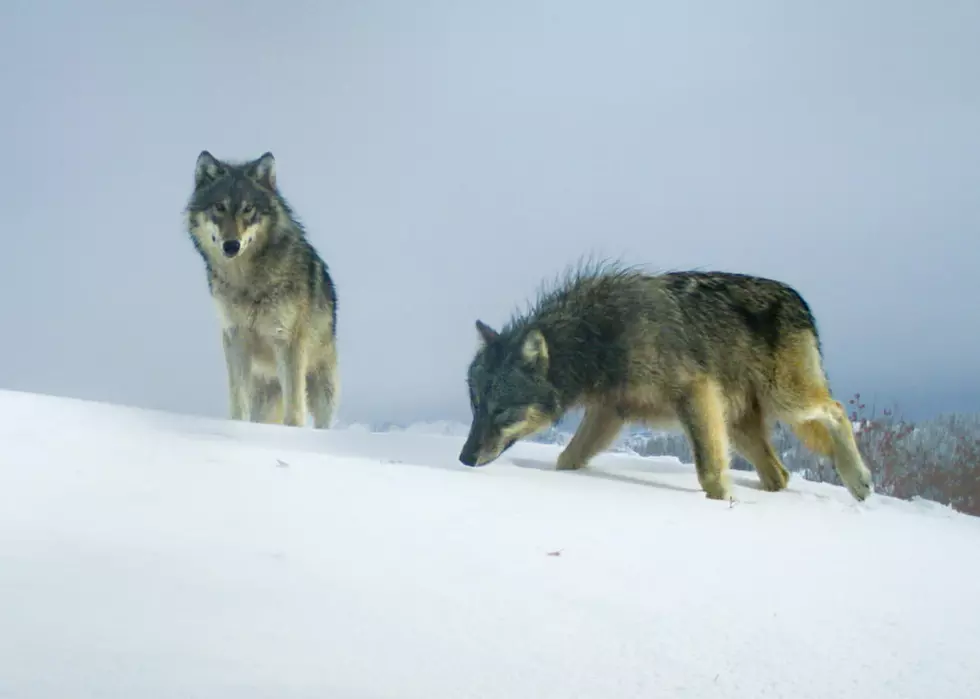
The photograph is part of a study, “Wolves use diverse tactics to track partially migratory prey,” that sheds new light on the evolving dynamics between ungulates and the carnivores that prey on them.