
Groups to sue Bitterroot Forest over vague logging project
Laura Lundquist
(Missoula Current) Following a recent court ruling faulting a Bitterroot National Forest amendment, conservation groups are warning federal agencies to shut down the Bitterroot Front project due to similar violations of federal law.
On Tuesday, five conservation organizations sent a 60-day notice of their intent to sue the U.S. Forest Service and Fish and Wildlife Service if the Bitterroot National Forest doesn’t stop and reconsider how the 20-year Bitterroot Front project would affect threatened species. The organizations include the Center for Biological Diversity, Friends of the Bitterroot, Alliance for the Wild Rockies, WildEarth Guardians, Friends of the Clearwater and Native Ecosystems Council.
“This lawsuit takes aim at the Trump administration’s complete failure to consider how clearcutting this area will threaten grizzly bears, bull trout, wolverines and other imperiled animals that call the Bitterroots home,” said Kristine Akland, Center for Biological Diversity Northern Rockies director. “It’s utter nonsense to justify this massive project as an emergency action when it’ll take at least two decades to implement. Those of us who love the Bitterroots know that this spectacular forest and its endangered wildlife deserve stewardship and care, not reckless acquiescence to the logging industry.”
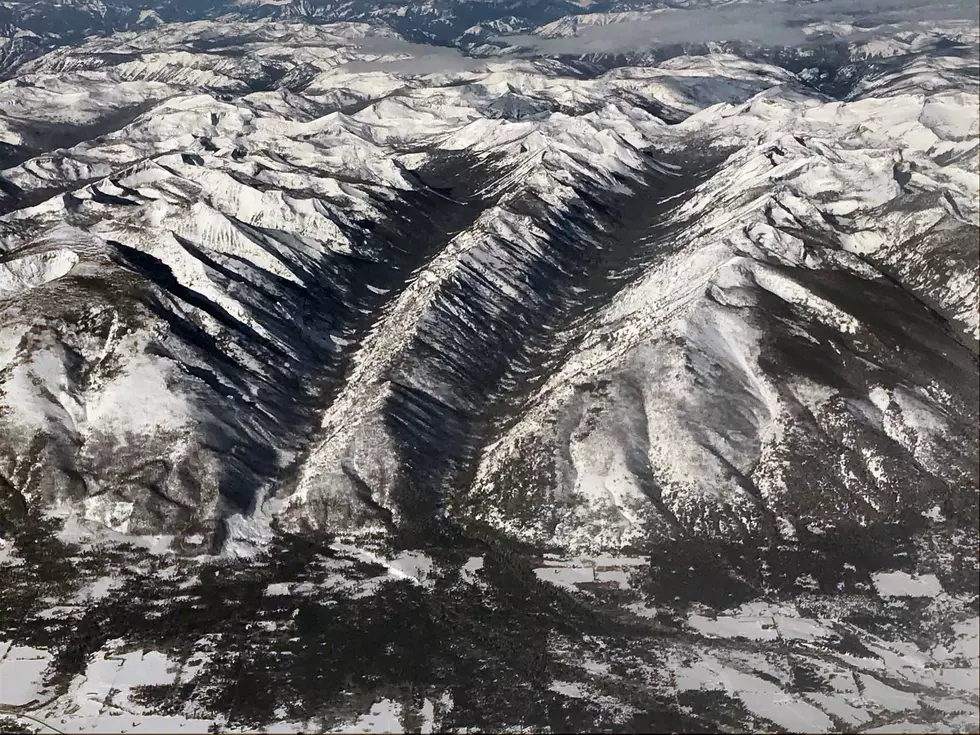
On May 12, the Bitterroot National Forest approved the Bitterroot Front Project, which includes road projects, logging and burning across 144,000 acres or 225 square miles, from the northern boundary with the Lolo National Forest south to the West Fork of the Bitterroot River. The logging activities will be conducted in four phases, with each phase occurring in successive years. Commercial logging is authorized on almost 44 square miles, noncommercial cutting will occur across 5 square miles, and slashing will be carried out on 28 square miles. Most of the commercial logging is planned for the southern end of the project area and will occur during the first two phases or years.
That’s all the information that the Bitterroot Forest provided about the project because it will be “condition-based.” But that makes it hard to know where roads will be built or where or when work will take place. Because of that, the organizations question how the Forest Service or the Fish and Wildlife Service could say with any certainty that the project activities won’t affect threatened grizzly bears or bull trout.
The organizations say when the Forest Service issued its biological assessment for the project and consulted with the Fish and Wildlife Service, which then issued biological opinions for threatened species based on the assessment, the agencies did so with information that was insufficient under the requirements of the Endangered Species Act, the notice said.
“Because the USFS cannot say when any of these activities will occur, the Agencies cannot predict the conditions on the ground or their impacts on grizzlies and secure habitat at any point during the 20-year-plus lifespan of the project,” the notice said.
The groups also objected to the fact the project will allow road building based on the Bitterroot Forest’s 2023 amendment to its Forest Plan, which eliminated road-density limits and allowed road densities to increase forest-wide. That, in turn, allowed the Forest Service to reduce the required size for grizzly secure habitat to one acre. However, the best available science has found that grizzlies need at least 2,500 acres for habitat to be secure, that is without roads and people that would do them harm. The Forest Service tried to argue that only grizzly recovery areas need that much space, not connectivity areas, and only if bears are known to be in the area.
On June 10, Missoula federal district judge Dana Christensen ruled against the Bitterroot Forest and its Forest Plan amendment, saying the Forest Service and Fish and Wildlife Service hadn’t analyzed how increasing road densities and dwindling secure habitat would affect grizzly bears. Based on that ruling, the organizations say the Forest Service can’t use the Forest Plan amendment to justify higher road densities in the Bitterroot Front project. The Bitterroot Front Project area already has very high road density, especially when all the closed and undetermined roads are factored in.
“The Forest Service is playing a shell game with its sprawling road network by claiming to remove roads that it already decommissioned years ago — essentially double dipping to make the project look better than it is,” said Adam Rissien, WildEarth Guardians rewilding manager. “Building roads and using others that shouldn't even be there to begin with harms habitat for elk and trout and will hinder the natural return of grizzly bears to the Bitterroot ecosystem.”
Other national forests, including the Helena-Lewis and Clark National Forest, have also recently changed their definition of secure grizzly habitat to one acre. On June 2, Native Ecosystems Council, Alliance for the Wild Rockies and Council on Wildlife and Fish sued the Helena-Lewis and Clark Forest for changing its definition and then approving logging projects that would build more roads in grizzly habitat.
In their intent to sue, the five organizations asked the agencies to reanalyze the project’s effect on grizzly and bull trout using a formal consultation. Federal law requires a 60-day notice period to give agencies the chance to do the suggested re-evaluation on their own and thus avoid going to court. However, if recent lawsuits under the Trump administration are any indication, the Bitterroot Front project will likely end up in court.
Contact reporter Laura Lundquist at lundquist@missoulacurrent.com.