
Climate Connections: NW Energy’s 20-year plan pushes rates higher
Shannon James
Montanans are once again being asked to pay more for electricity. Beginning July 1, the typical NorthWestern Energy residential customer will see their monthly electric bill rise to $131. Since 2009, the utility's electricity rates have increased by 99%, meaning customers now pay nearly twice as much for power as they did less than two decades ago.
Continued rising costs make NorthWestern Energy’s resource planning processes especially important. This January, NorthWestern released its draft Integrated Resource Plan (IRP), a document that will shape how electricity is generated and delivered to Montanans over the next 20 years. In April, the utility submitted its final plan to the Montana Public Service Commission (PSC). Despite months of public comment and stakeholder feedback, remarkably little changed between the draft and final versions.
NorthWestern continues to undervalue Montana's abundant wind and solar resources - now the cheapest energy sources available - while favoring expensive investments in coal, methane (“natural”) gas, and speculative nuclear technologies. The utility uses questionable projections for future electricity demand to justify new generation, even as customers struggle with rising bills. Rather than prioritizing the lowest-cost resources available, the plan attempts to lock Montanans into decades of expensive infrastructure investments.
Ignoring the most affordable energy options is crazy enough. When added to the climate impacts of doubling down on polluting fossil fuels, it’s downright dangerous.
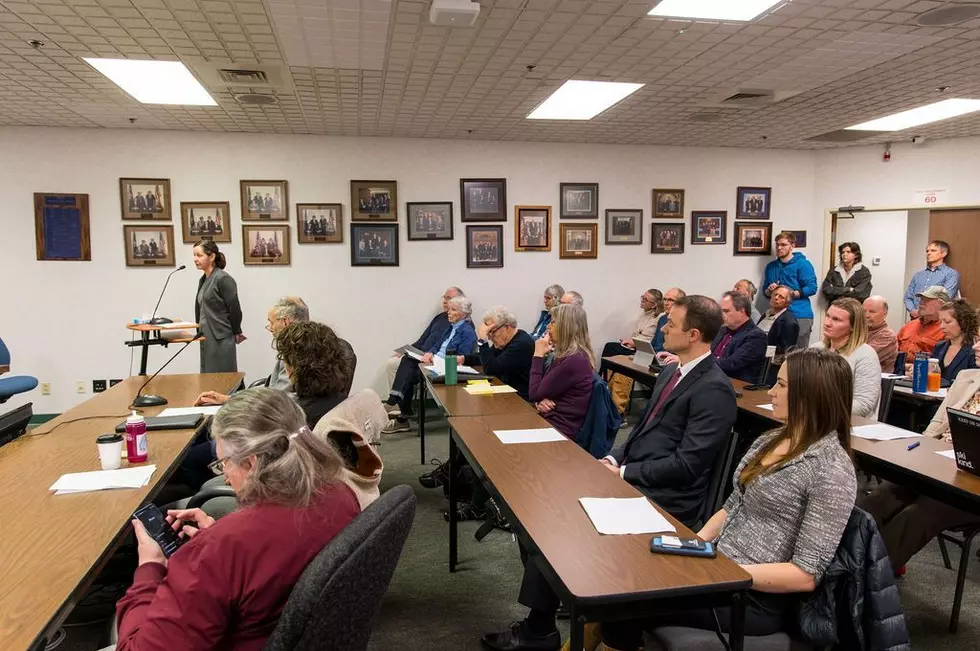
Just as troubling as the contents of the plan is the process surrounding it. The PSC recently decided to hold only two public meetings on the IRP, both in Helena. In previous planning cycles, the Commission held meetings in each of its five districts. This year, despite a letter from 19 organizations urging broader outreach, the Commission chose to limit public participation.
The IRP serves as the utility's roadmap for future investments and signals the projects it may eventually ask customers to fund through future rate increases. The decisions made through this process will determine how much Montanans pay for electricity, what resources power our homes and businesses, and whether we are prepared for a changing climate. By restricting opportunities for public engagement, the Commission is making it harder for rural residents, Tribal communities, working families, and others outside Helena to participate in decisions that will shape Montana's energy future.
At a time when energy costs continue to rise, customers need a transparent process and a plan grounded in affordability, reliability, and reality. Unfortunately, like NorthWestern's last two IRPs, this final plan largely doubles down on expensive and risky approaches to meeting Montana's energy needs.
The utility's embrace of nuclear power is particularly troubling. NorthWestern models small modular nuclear reactors (SMRs) as a major part of its future resource mix, even though the technology remains commercially unproven. No commercial SMR operates in the United States today, yet the plan presents nuclear as a key part of Montana's future while downplaying the cost overruns and delays that have plagued nuclear projects nationwide.
Even more concerning, the IRP's cost estimates fail to capture the true cost of a nuclear-heavy future. The analysis only looks within the 20-year planning horizon, but NorthWestern projects a 60-year pay-off period for SMRs. Any remaining costs associated with a reactor expected to come online near the end of the planning period are therefore not reflected. It’s like planning your next 10 years of budgets, but you buy a house in year 10 and don’t account for the remaining 29 years of your mortgage. The result is a misleading comparison that makes nuclear appear more affordable than it is likely to be.
Perhaps the most telling aspect of the plan is what it leaves out. In a 382-page document intended to guide Montana's energy future through 2045, climate change is mentioned only once, in reference to stakeholders’ concerns.
That omission is remarkable given the reality Montanans are already experiencing: hotter summers, worsening wildfire seasons, more severe droughts, and changing patterns of electricity demand. Earlier this year, the Rosebud Mine announced layoffs after a mild winter reduced electricity demand, only to anticipate rehiring workers as summer heat increases air-conditioning use. Climate change is already reshaping Montana's energy system, whether NorthWestern acknowledges it or not.
Montanans deserve an energy plan that prioritizes affordability, transparency, and accountability—not one that dismisses public concerns while steering customers toward increasingly expensive energy choices.
The PSC is holding IRP listening sessions on July 21 and July 23 at 6 p.m. in Helena and is accepting written comments through July 28. If Montanans want a more affordable and accountable energy future, now is the time to make their voices heard.
You can submit written comments to the PSC through MEIC’s website or directly via email to pschelp@mt.gov.
Shannon James is the Campaigns & Advocacy Director for the Montana Environmental Information Center. Climate Smart Missoula brings this Climate Connections column to you several times per month. Learn more about what we do, sign up for our e-newsletter, or support our work at missoulaclimate.org.