
High diesel prices pinching local operations, budgets
Martin Kidston
(Missoula Current) Soaring diesel prices over the past few months have pinched local operations, from government to transportation. And if the prices don't change before snow season, the pain could grow deeper.
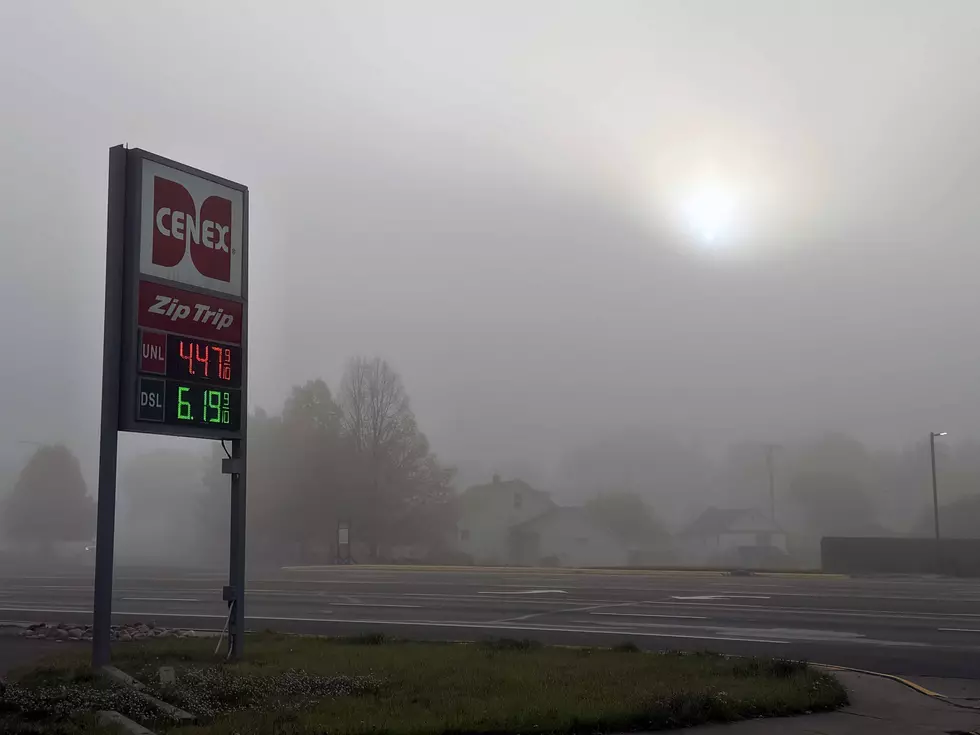
In Montana on Monday, the average price for regular unleaded was $4.46 per gallon, still above the national average of $4.29. But the average for diesel in Montana stood at $6.17, and it's expected to remain high into next year.
Jason Mitchell, director of Public Works for Missoula County, said the steep prices are taking a toll on operations.
“It really impacts logistics and the stockpiling of material because we have such a big county, and how far we can go to do different projects,” he said. “If we have a heavy winter with the prices the way they are, we'll have to look at our spring and summer schedule to see if we need to scale back in terms of projects.”
From June to September of this year, Mitchell said the price of diesel has soared, increasing more than $2.10 a gallon. In August, his department paid $35,600 in diesel costs. By September, that had reached $47,400.
While the prices have impacted summer and fall operations, the county has been able to adjust its sweeping and grading plans. But if the costs remain in place as winter sets in and plowing begins, the pain could grow deeper and have longer lasing impacts.
“If we get a heavy winter in terms of snowfall, it will go up,” he said. “When you get into plowing, those trucks are plowing eight to 10 hours a day. If the prices stay high, we'll reduce expenditures in other areas. We have to offset the budget somewhere.”
The high price of diesel is having widespread economic impacts well beyond Missoula County. Walmart said current prices will wipe out the $2.9 billion tariff refund it received by the end of 2027.
The prices have hit bus companies – including school districts – and even operations at Missoula Montana Airport have felt the pain.
“Like others, we are affected by the high prices of diesel,” said airport director Brian Ellestad. “We are hoping for a mild winter, which would greatly help, but time will tell.”
While most motorists will never purchase diesel, it doesn't mean they don't pay for it. For each $1 increase in diesel costs per gallon, consumers generally see inflation rise by 0.1 percent, according to Moody's.
The county is looking at ways to shave costs, but the options don't come easy. Mitchell said the county has explored going to a single fuel provider to try and save money, and it also has considered bulk storage.
“But we don't want to get into storage on site,” he said. “We looked at that and it's so cost ineffective. It didn't make sense for us to store fuel.”