
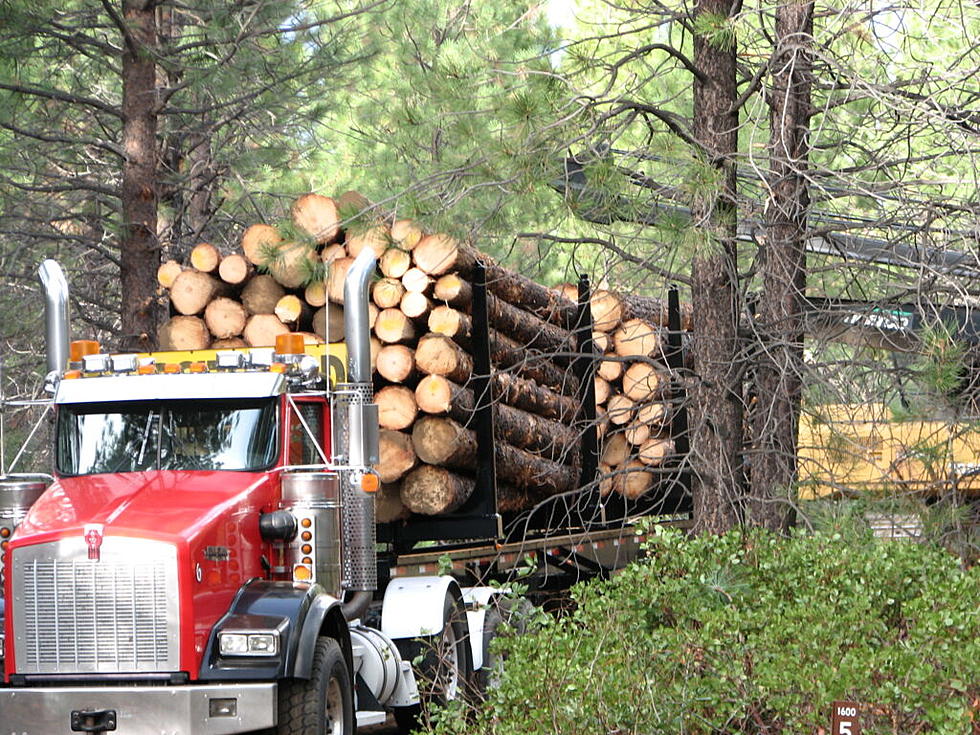
Lawsuit challenges Flathead’s emergency’ logging memorandum
Laura Lundquist
(Missoula Current) The Flathead National Forest approved a logging project using a new Trump administration emergency action, but wildlife advocates claim it’s the third time in a few years that the Flathead Forest has violated the Endangered Species Act.
On Friday, the Swan View Coalition and the Friends of the Wild Swan sued the Flathead National Forest in Missoula federal district court for approving its West Reservoir Project using a Trump administration shortcut, while the Flathead Forest has yet to complete a court-ordered rewrite of its Forest Plan to better protect grizzly bears and bull trout.
“The Flathead fabricated an emergency in order to sidestep protections for grizzly bears and bull trout while also cutting the public out of the process,” said Arlene Montgomery, Friends of the Wild Swan director, in a release. “They were planning this timber sale for 3 years, no emergency here, only unlawful behavior.”
The West Reservoir Project, initiated in 2023 and approved in March, extends 50 to 70 miles west from the entire western shore of Hungry Horse Reservoir, to include the Jewel Basin Hiking Area. The 10-year project would commercially log 2,000 acres, most of which would occur in more developed areas close to the reservoir and the West Side South Fork Road. It would also require the construction of another 5 miles of road.
The majority of the project overlays inventoried roadless areas, rugged country with no residential structures. There, the Forest Service plans to conduct prescribed burns on more than 4,600 acres along streams mostly on the southern end of the area. But if the Trump administration rescinds the Roadless Rule, the Flathead Forest may propose more management activities.
The project is in prime grizzly bear and bull trout habitat. Several of the westside tributaries that feed into Hungry Horse Reservoir are bull trout streams. Meanwhile, most of the inventoried roadless area plus the surrounding forest are identified as secure grizzly habitat with four grizzly management units that provide hiding cover.
So the Forest Service acknowledged that the project is “likely to adversely affect” both species. It also said “hiding cover could take up to 20 years to return after treatment.” But Flathead Forest Supervisor Anthony Botello said in his decision that the plan was in keeping with the 2018 Flathead Forest Plan.
The plaintiffs say that’s part of the problem. They’ve sued the Flathead National Forest twice over its Forest Plan and prevailed both times because the new Plan abandoned road density limits that had protected grizzly bears and other species, including elk, and it got rid of the requirement for the Forest Service to obliterate closed roads. The new Plan allows the Forest Service to build more roads and do the bare minimum to close roads, which meant the amount of illegal use increased.
The Flathead Forest is still in the process of conducting its second court-ordered review. So the plaintiffs say the West Reservoir Project should have to follow the previous Forest Plan, written in 1986, along with Forest Service Amendment 19, which contains the road-density limits.
Plenty of roads already exist on the Flathead National Forest, and grizzly tend to avoid many of them, because roads enable harassment and sometimes the deaths of grizzlies as people are allowed to invade deeper into the forest. Roads also contribute sediment to streams or culverts can collapse or become blocked, which causes problems for bull trout. The West Reservoir Project would replace some culverts.
The plaintiffs also say that the Flathead Forest didn’t bother to consult with the U.S. Fish and Wildlife Service about the project like it should have. The Flathead Forest claimed it didn’t have to because of a new emergency authority granted by Agriculture Secretary Brook Rollins. But the plaintiffs say the Flathead Forest assumed too much.
Prior to April 2025, the project documents didn’t mention any emergency, saying the goal of the project was to improve vegetative communities and wildlife habitat, in addition to creating “a more fire resilient forest,” according to the complaint. But in April 2025, Rollins issued a memorandum, “Increasing Timber Production and Designating an Emergency Situation on National Forest System Lands,” which declared an emergency across 59% of the National Forest System. Since then, several Forest Service projects have been fast-tracked under the claim of an emergency situation.
Five months later, the West Reservoir Project draft assessment said the project fell under Rollins’ emergency determination. Rollins’ memorandum instructed the Forest Service to use the emergency consultation procedure allowed under the Endangered Species Act. However, use of the procedure requires a specific reason, and the plaintiffs say the Flathead Forest didn’t say why it needed to use emergency consultation and then it didn’t follow the protocol.
“Instead, the agency’s purported ‘emergency’ appeared to consist of nothing more than well-known factors, such as generalized fire risk and the potential of insect or disease infestations, that have long been considered in Forest Service management decisions. The only new development was the Secretary’s April 2025 Memorandum declaring an “emergency situation” based on such factors,” the plaintiffs wrote. “Thus, under the agency’s apparent theory in its Decision Notice, the Secretary’s Memorandum silently eliminated the (Endangered Species Act) Section 7 mandate for formal consultation across the majority of the National Forest System.”
The plaintiffs are asking the judge to halt the project until the Flathead Forest consults properly with the Fish and Wildlife Service.
“The West Reservoir project comes amid a series of Trump administration attempts to undermine the Endangered Species Act and cast aside our nation’s most imperiled wildlife and ecosystems,” said Earthjustice senior attorney Ben Levitan. “We’re committed to giving imperiled species the protections they’re guaranteed under the law, including for grizzly bears and bull trout in Flathead National Forest. Since the Forest Service failed to take any corrective action over these violations, we’ll see them in court.”
Contact reporter Laura Lundquist at lundquist@missoulacurrent.com.