
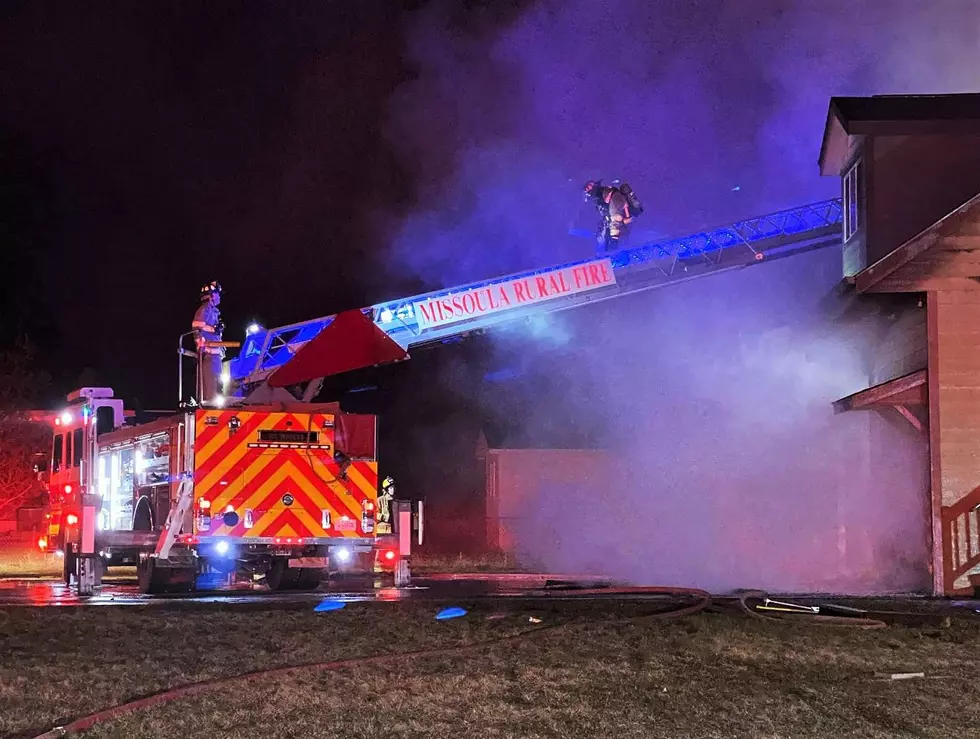
Missoula County adopts impact fees for Missoula Rural Fire
Martin Kidston
(Missoula Current) For the first time, the Missoula Rural Fire District will begin collecting impact fees to help it prepare for impending growth and the services it will require.
Missoula County last week approved the maximum allowable fee, which represents a one-time sum placed on new development. The fees are collected when a building permit is issued.
“This is a new thing for the Missoula Rural Fire District,” said Commissioner Josh Slotnick. “I think it's a good idea, because new growth has a financial impact on everyone who lives here. Typically, we address that impact through an increase in property taxes. This is a way that new construction and new growth can cover, in part, some of the financial impacts they incur.”
For a 1,500 square-foot-home, the maximum supportable fee amounts to roughly $1,400, or $1,800 for a 2,500 square-foot-home. A retail project would pay $1,500 per every 1,000 square-feet while an industrial project would pay roughly $370 per every 1,000 square-feet.
The fees can cover certain costs associated with growth. For the fire district, that includes new apparatus, new or relocated fire stations, or replacing an existing fire vehicle. The fees also require the formation of an Impact Fee Advisory Committee.
“We're thinking brick-and-mortar infrastructure that this new revenue is going to go toward,” said Colin McAweeney with TischerBise. “It's collected on new growth to offset their demand on infrastructure.”
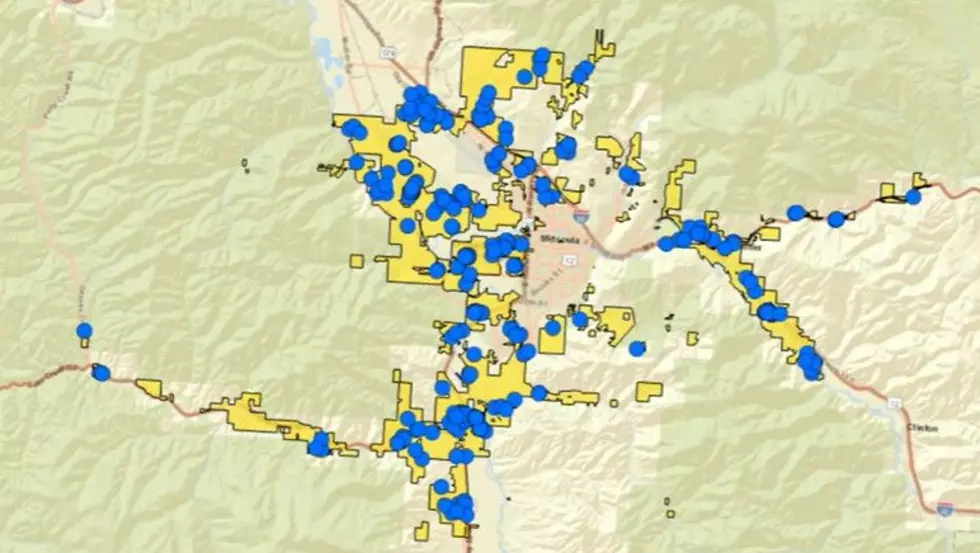
According to TischlerBise, which conducted the fee study, growth will continue to expand across the Missoula Rural Fire District's jurisdiction.
In 2026, estimates suggested roughly 31,000 residents currently live within the district. That's expected to increase by more than 5,000 people, or 17% over the next decade, with most of the construction representing single-family homes.
On the commercial side, jobs within the district are expected to increase by as much as 18,000, marking a 21% increase over the same period. Most of those positions will be within the retail and industrial sectors.
Deputy Fire Chief Cory Horsens said the fire district supported the fee increase.
“Our cost of providing service has gone up dramatically. A lot of that is attributed to growth, but a lot is due to inflation,” said Horsens. “We're very committed to supporting the community and providing the highest level of service we can. This is an avenue our board saw to allow growth to pay for itself, at least in part.”
The fee increase drew mixed replies, with some in favor and some opposed. But all acknowledged that the increase, along with other fees placed upon other infrastructure needs, will increase the cost of housing.
However some said the fee is the lesser of other evils.
“This will raise housing prices. But it's the right way to raise them because the alternative is worse,” said developer Gregory Morse. “Affordability isn't just the price at closing, it's the cost of owning over time. When a district can't keep pace with the rooftops it covers, response times stretch, fire ratings slip, and every homeowner pays more every year indefinitely in insurance.”
One Lolo resident suggested it's more costly to build there than in Missoula, largely due to county fees.
“While I'm all for this particular impact fee, I wish when you were looking at water and sewer, not taking the 100% at that point,” the resident said. “To the detriment of a community, you've really priced people out. These impact fees are a detriment to that mission (affordable housing).”