

A legacy of protection: 50 years of Missoula’s open space bonds
Martin Kidston
(Missoula Current) Over the last 50 years, the city's patchwork of open space has spread across the Missoula Valley, placing valued viewsheds and habitat under protection.
Now, as development creeps west, work to protect greenspace, farmland and complete the Milwaukee Trail are continuing, according to Zach Covington, the city's manager of planning and land acquisitions.
“The big projects early on were closer to town and they've slowly gone out of town because that's where the available land is, and that's where the least expensive and potential donated lands are,” he said. “But we'll still continue to work on lands that are closer to town in the future.”
The City of Missoula owns and manages 4,700 acres of conservation lands, 67 developed parks, 20 miles of commuter trails and 70 miles of unpaved natural trails. Most of those assets are the fruit of a plan adopted by the city back in 1968 – a plan to plan for the protection of open space.
The first open space plan was adopted in 1976 while the makings of the Five Valleys Land Trust began to form. The first open space bond wasn't adopted until 1980 and included just $500,000 in funding.
“In the 60s and 70s, the community was planning for open space already,” Covington said. “After a couple of attempts, mostly due to a lack of voter turnout, the 1980 open space bond was passed. Since then, we've had a total of four.”
Each bond has been different than its predecessor and each sought to achieve unique goals. The 1980 bond sought to protect the Clark Fork River corridor and critical open space properties that were under the threat of development, including Mount Jumbo and portions of Mount Sentinel.
The price tag climbed when the 1995 open space bond passed at $5 million. The 2006 bond followed and included $10 million. It targeted land purchases to protect valued open space and develop trails.
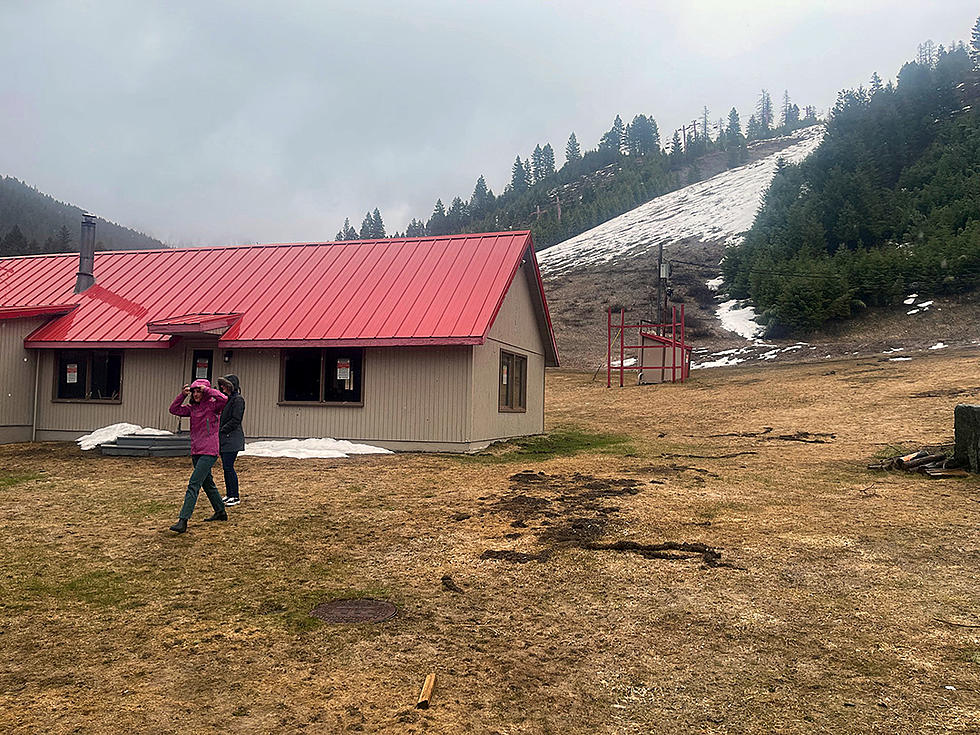
Voters passed the last bond in 2018. Valued at $15 million, it sought to purchase prized properties, ranches, and included key maintenance funding. Among other things, proceeds from the bond have protected 350 acres on Mount Dean Stone and is currently funding the Clark Fork River restoration and access project.
The Ten Spoon vineyard and winery, the Inderland ranch and 480 acres of Marshall Mountain have also been protected.
“Marshall Mountain is wildlife habitat, viewshed, riparian areas and lots of recreation trails and access,” Covington said. “It's a huge multi-year project.”
Covington said the city has roughly $2.2 million remaining from the bond that's earmarked for trails. The design of the Milwaukee Trail continues to advance.
“We really discussed a lot about the Milwaukee Trail corridor, particularly west of the Clark Fork River and going west on Mullan Road,” Covington said. “That was the intention to keep that money available.”