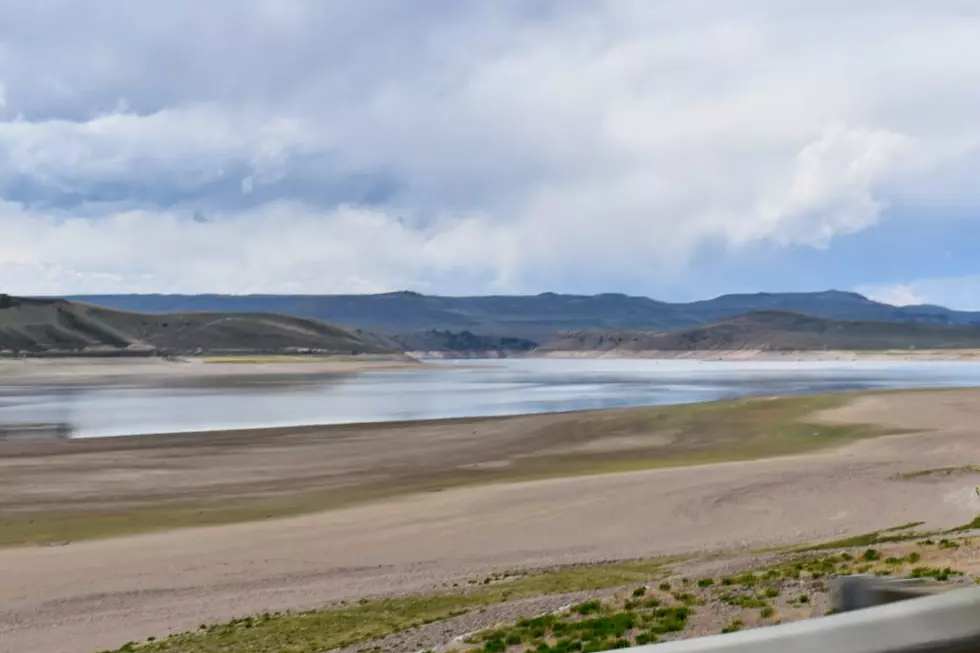
As the Salton Sea shrinks, the exposed lakebed has caused increased pollution and health problems for communities in California's Imperial County and beyond, researchers found.
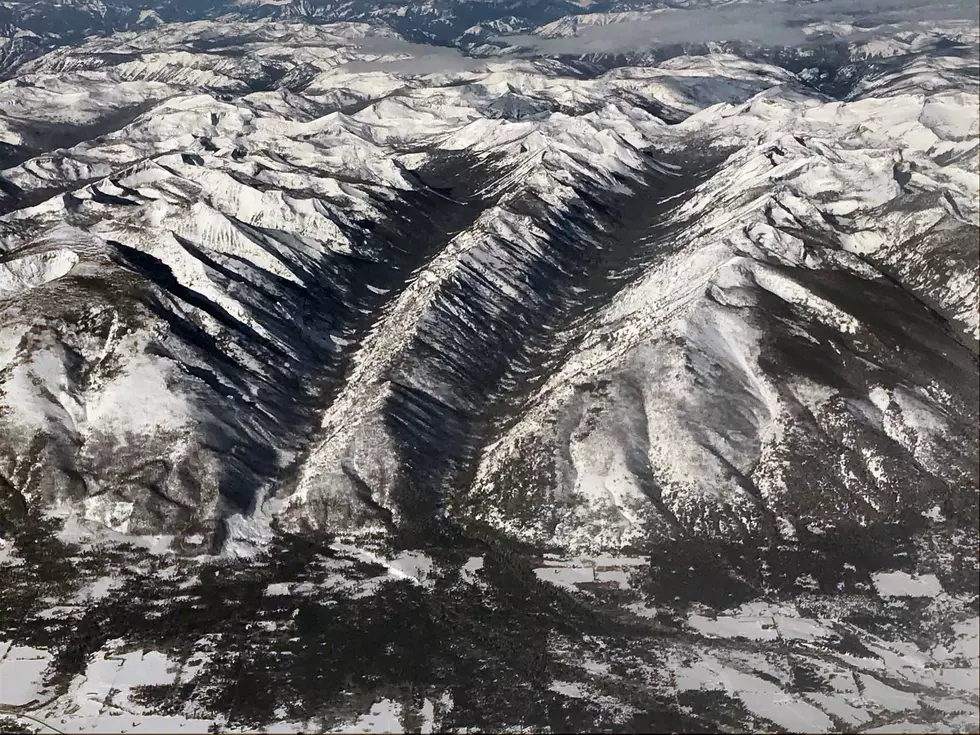
The past few days of moisture pulled some parts of Montana out of impending deep drought, but western Montana is still critically dry with low snowpack and low streamflows.
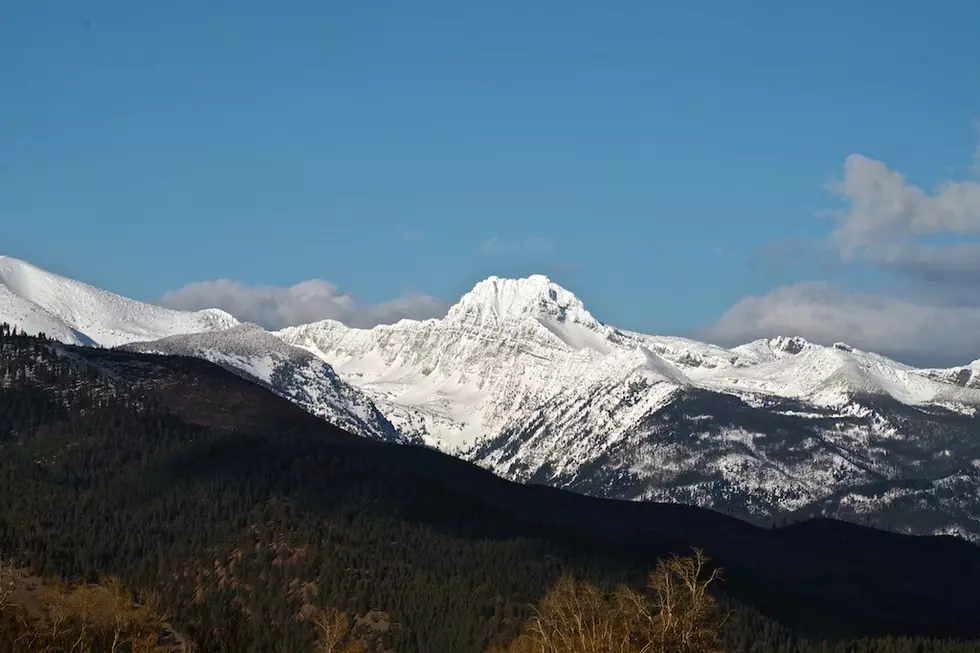
With snowpack running well behind the seasonal average, Missoula County is racing to gather its resources ahead of what's anticipated to be an active wildfire season.
Snowpack this winter continues to be at an all-time low across several river basins in western Montana, indicating that this year could see water shortages.
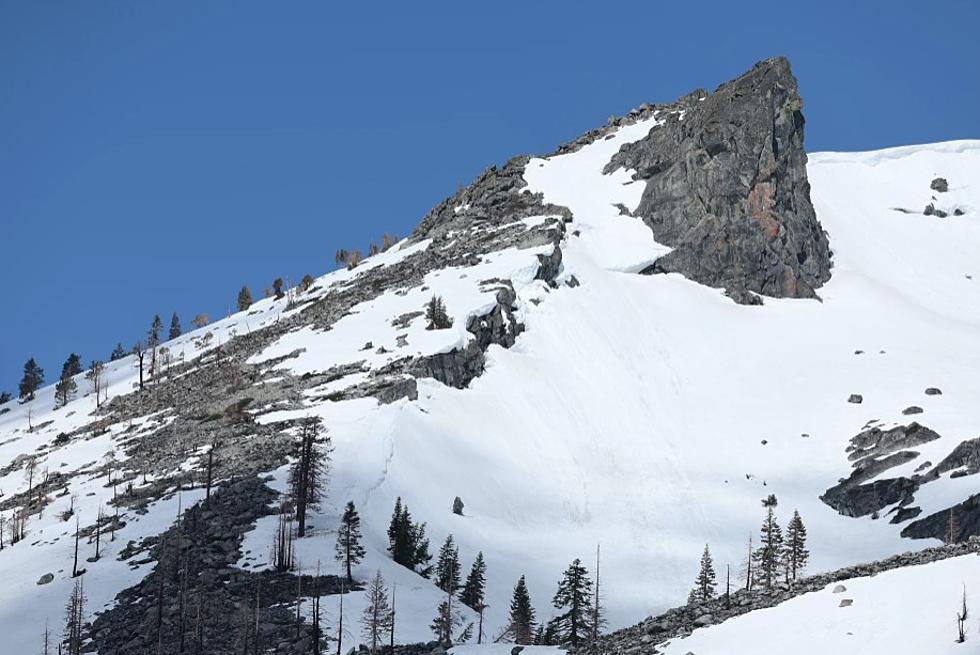
While statewide rainfall is below average, climatologists are especially concerned about the lack of snow in California's largest "reservoir" — the Sierra Nevada mountain range.
A robust water year for the Colorado River has given states that rely on the mighty waterway a few more years of stability as climate change takes its toll, federal officials said.